Why Many DTF Printing Systems Struggle to Scale
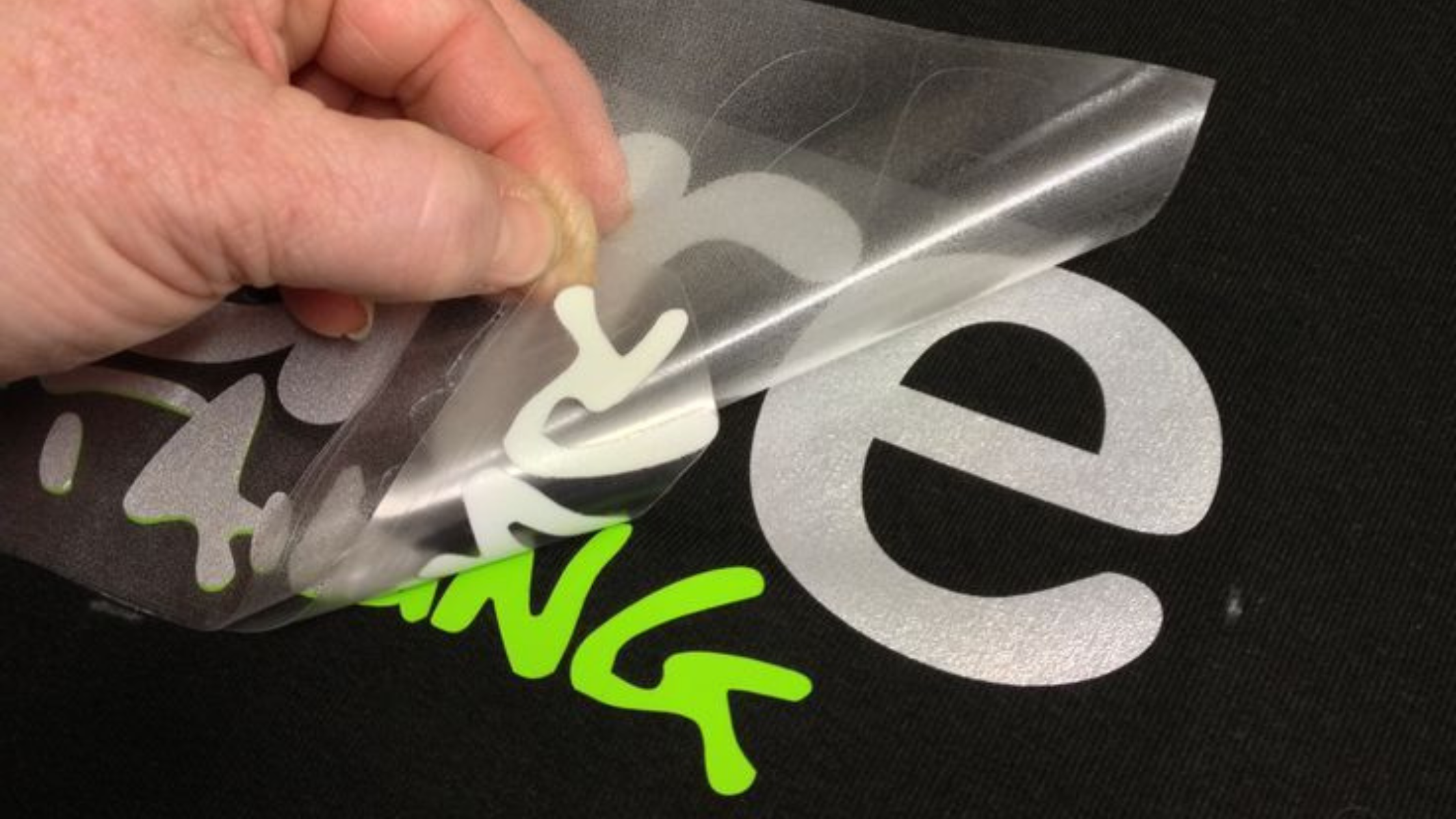
Direct-to-Film (DTF) printing has become one of the fastest-growing technologies in garment decoration, offering businesses greater flexibility, shorter turnaround times, and the ability to produce high-quality transfers across a wide range of fabrics.
For many print businesses, bringing DTF production in-house is the logical next step.
However, successful DTF production involves far more than purchasing a printer.
Many workflows perform well during initial production runs but become increasingly difficult to manage as order volumes grow.
The reason is rarely a lack of equipment capability.
More often, it comes down to how well the entire production workflow has been designed.
A Successful DTF Workflow Starts Before Printing
A DTF production system is made up of multiple processes working together.
This includes:
artwork preparation
RIP software
printer configuration
ink circulation
film selection
adhesive powder application
curing
heat transfer
production environment
Each stage influences the next.
When one process becomes inconsistent, production quality can quickly become unpredictable.
This is why many businesses are investing in complete workflows rather than individual machines. As discussed in our guide to optimising prepress workflow in print production, reducing bottlenecks early in the workflow often leads to more consistent production further downstream.
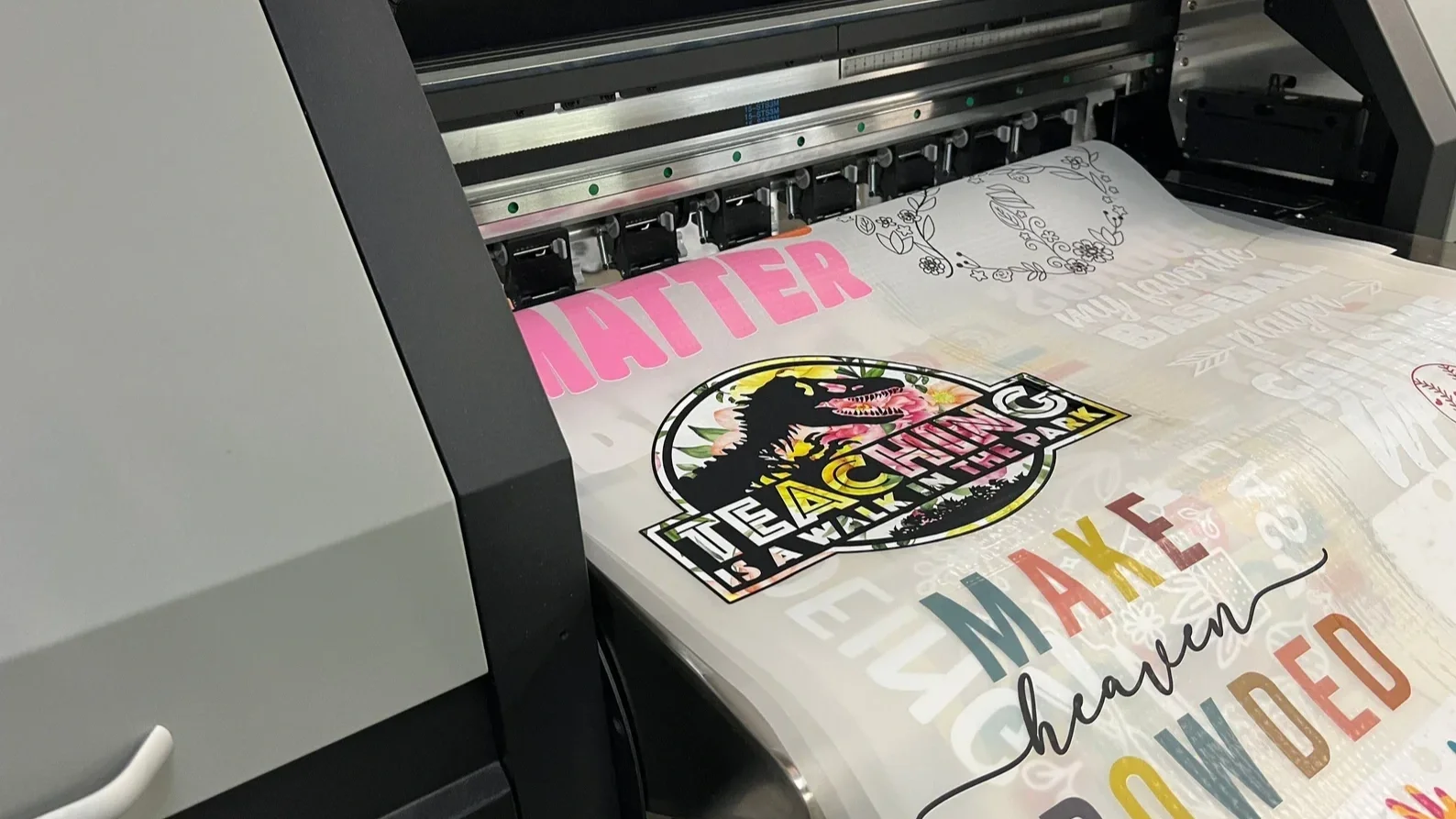
Consistent DTF production starts with a workflow where hardware, software, and consumables perform reliably together.
Consumables Play a Bigger Role Than Many Businesses Expect
Even with a well-configured printer, production consistency depends heavily on compatible consumables.
Small differences in:
DTF film
adhesive powder
ink formulation
storage conditions
can affect:
colour consistency
transfer adhesion
wash durability
curing performance
production repeatability
Rather than selecting components independently, successful production environments treat consumables as part of a complete system.
Understanding how DTF ink, film, and powder work together helps reduce unnecessary production variability and improve long-term consistency.
Scaling Production Magnifies Small Problems
Many DTF workflows appear stable during smaller production runs.
As production volumes increase, however, small inconsistencies become much more noticeable.
Common challenges include:
inconsistent white ink density
uneven powder coverage
curing instability
colour variation between batches
unexpected printer downtime
increased waste and reprints
These issues rarely originate from a single component.
Instead, they are often the result of multiple small workflow inconsistencies combining across production.
Our article on what causes inconsistent results in DTF printing production explores these production variables in greater detail.
Support Matters Just As Much As Equipment
Investing in DTF production is not simply about choosing a printer.
Long-term success also depends on access to:
technical support
operator training
workflow optimisation
compatible consumables
ongoing maintenance
As production requirements change, businesses often need guidance on improving efficiency, troubleshooting production issues, and maintaining consistent output.
Working with suppliers that understand the complete production workflow can significantly reduce implementation time and long-term operating costs.

Long-term DTF performance comes from combining the right equipment with expert support, preventative maintenance, and continuous workflow optimisation.
Thinking About Bringing DTF In-House?
Bringing DTF production in-house can improve turnaround times, increase production flexibility, and give businesses greater control over quality.
The most successful DTF operations are built around complete production systems where equipment, software, consumables, and workflow processes work together.
At Kissel+Wolf, we help businesses build DTF workflows designed for long-term reliability—not just installation day performance.
Whether you're planning your first DTF investment or looking to improve an existing workflow, choosing the right production system from the beginning can make scaling far more predictable.
Explore our DTF printers, DTF consumables, and workflow solutions, or speak with our team about designing a production environment built for consistent results.