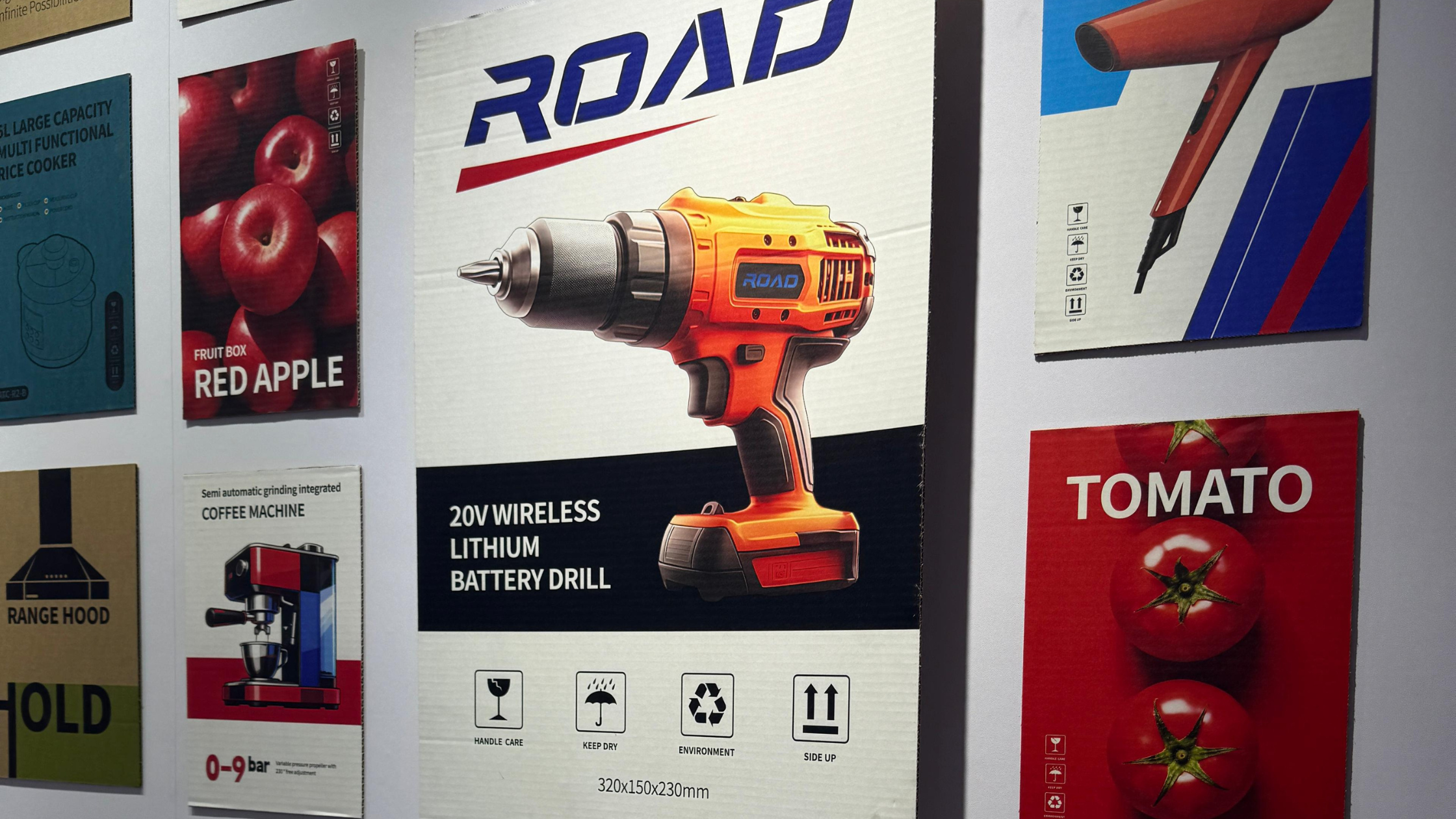
Digital corrugated printing continues expanding across modern packaging production environments.
As businesses pursue:
shorter turnaround times
scalable production
customised packaging
faster workflow cycles
digital corrugated systems are increasingly becoming part of long-term manufacturing strategies.
However, despite major advances in digital production technology, many operations still continue struggling with one ongoing challenge:
predictability.
Across corrugated production environments, maintaining stable and repeatable output often becomes more difficult as workflows scale.
Production Speed Does Not Always Guarantee Workflow Stability
Modern corrugated production environments are designed for speed and throughput.
But production performance depends on far more than printing speed alone.
Workflow predictability can also be affected by:
board variability
material handling
curing consistency
colour stability
workflow interruptions
finishing coordination
When production stages operate independently, even small inconsistencies can create larger workflow disruptions across longer runs.
Material Variability Continues Affecting Production Consistency
Corrugated materials rarely behave identically across every production run.
Differences in:
board surface conditions
flute structure
moisture content
coating behaviour
material handling conditions
can all affect print consistency and repeatable output.
As production speeds increase, these variations become more visible across colour performance, registration accuracy, and finishing stability.
This is one reason many businesses are placing greater focus on connected workflows designed to improve consistency across the full manufacturing environment.
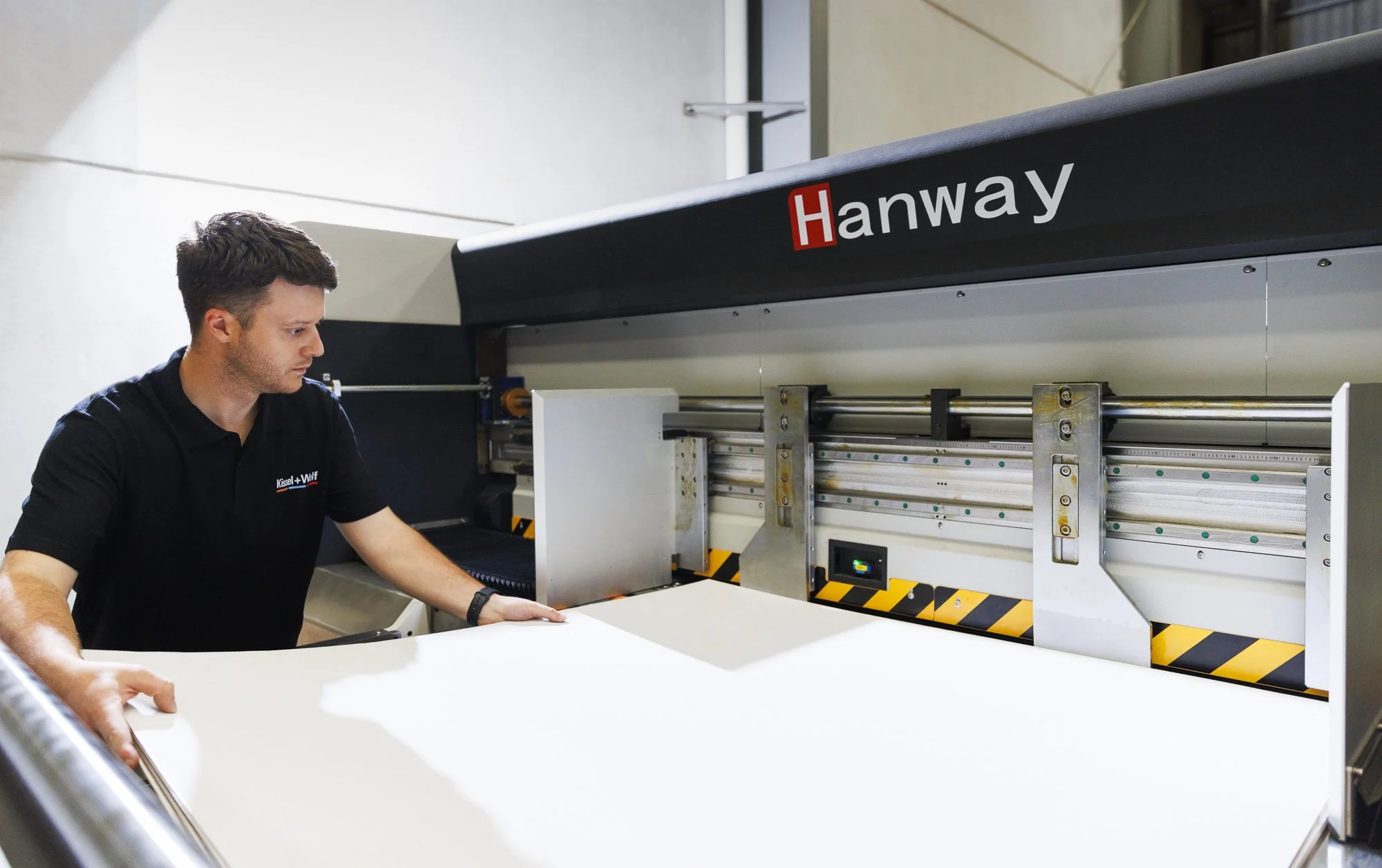
Material consistency continues playing a major role in maintaining stable corrugated production output.
Workflow Coordination Still Remains a Major Challenge
In many corrugated environments, workflow gaps continue affecting operational predictability.
This often includes:
disconnected prepress stages
inconsistent file preparation
manual workflow adjustments
finishing bottlenecks
limited production visibility
As workflows become more complex, maintaining coordination between stages becomes increasingly important for reducing variability across production.
Businesses are therefore continuing to prioritise connected packaging production systems designed to support more integrated manufacturing environments.
Scalability Often Increases Production Complexity
Many corrugated workflows operate effectively at lower production volumes.
However, as throughput demands increase, maintaining:
repeatability
colour consistency
workflow timing
finishing coordination
often becomes significantly more difficult.
This is where scalability challenges typically emerge.
Rather than focusing only on machine capability, production environments are increasingly evaluating how effectively the entire workflow supports stable and repeatable output under continuous operating conditions.
Predictability Is Becoming More Valuable Than Speed Alone
As corrugated production environments become more automated and digitally connected, predictability is increasingly becoming a major operational priority.
Stable production environments depend not only on equipment capability, but on how effectively:
workflows
materials
finishing systems
colour management
production coordination
operate together across the full manufacturing process.
This shift continues driving demand for production environments designed to support long-term workflow stability rather than isolated production speed alone.

Predictable output increasingly depends on workflow coordination across modern corrugated production environments.
At Kissel+Wolf, we support corrugated and industrial print environments with solutions designed to improve workflow coordination, scalability, and operational consistency across modern production systems.
Businesses are increasingly re-evaluating how:
workflow alignment
production visibility
automation
material consistency
affect long-term manufacturing stability across corrugated environments.
Explore solutions designed to support more connected and scalable corrugated production workflows.
Get the Right Workflow for Your Production
As packaging production becomes more complex, many businesses are re-evaluating how their processes support efficiency, consistency, and control.
Sustainable outcomes are not achieved through materials or technologies alone.
They depend on how well each stage of production is coordinated.
If you're reviewing your current setup, it may be worth looking at how workflow alignment and automation can reduce inefficiencies, improve visibility, and support more stable, scalable production.
Explore solutions designed to improve process efficiency across packaging production.