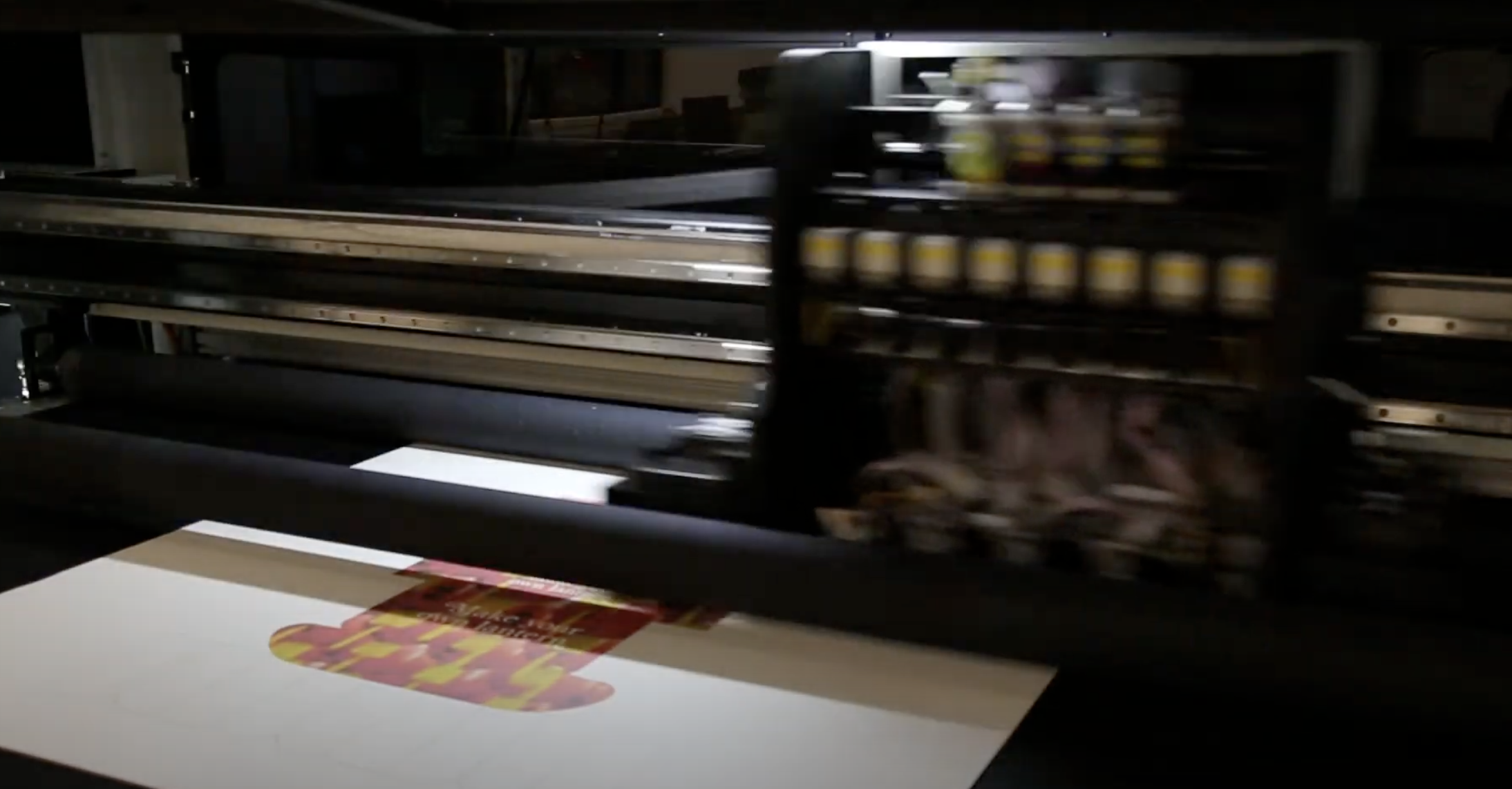
Direct-to-Film (DTF) printing has become an increasingly popular solution for businesses looking to produce high-quality garment transfers quickly and efficiently.
For many decorators, promotional product suppliers, and apparel businesses, outsourcing DTF transfers is a practical way to get started.
But as production grows, outsourcing can introduce new challenges.
Longer lead times, limited production flexibility, and rising transfer costs often prompt businesses to ask an important question:
Is it time to bring DTF production in-house?
The answer depends less on business size and more on your production requirements.
When Outsourcing Starts Limiting Growth
Outsourcing works well when production volumes are relatively low or demand is inconsistent.
However, as order volumes increase, businesses may begin experiencing:
longer turnaround times
limited scheduling flexibility
higher transfer costs
less control over production quality
delays for urgent jobs
These challenges can affect customer satisfaction while making it more difficult to scale production efficiently.
Businesses That Benefit Most From In-House DTF Production
Bringing DTF production in-house often makes sense for businesses that regularly produce:
custom apparel
workwear
uniforms
promotional garments
branded merchandise
small production runs
on-demand orders
For these businesses, greater production control can improve workflow efficiency while reducing dependence on external suppliers.
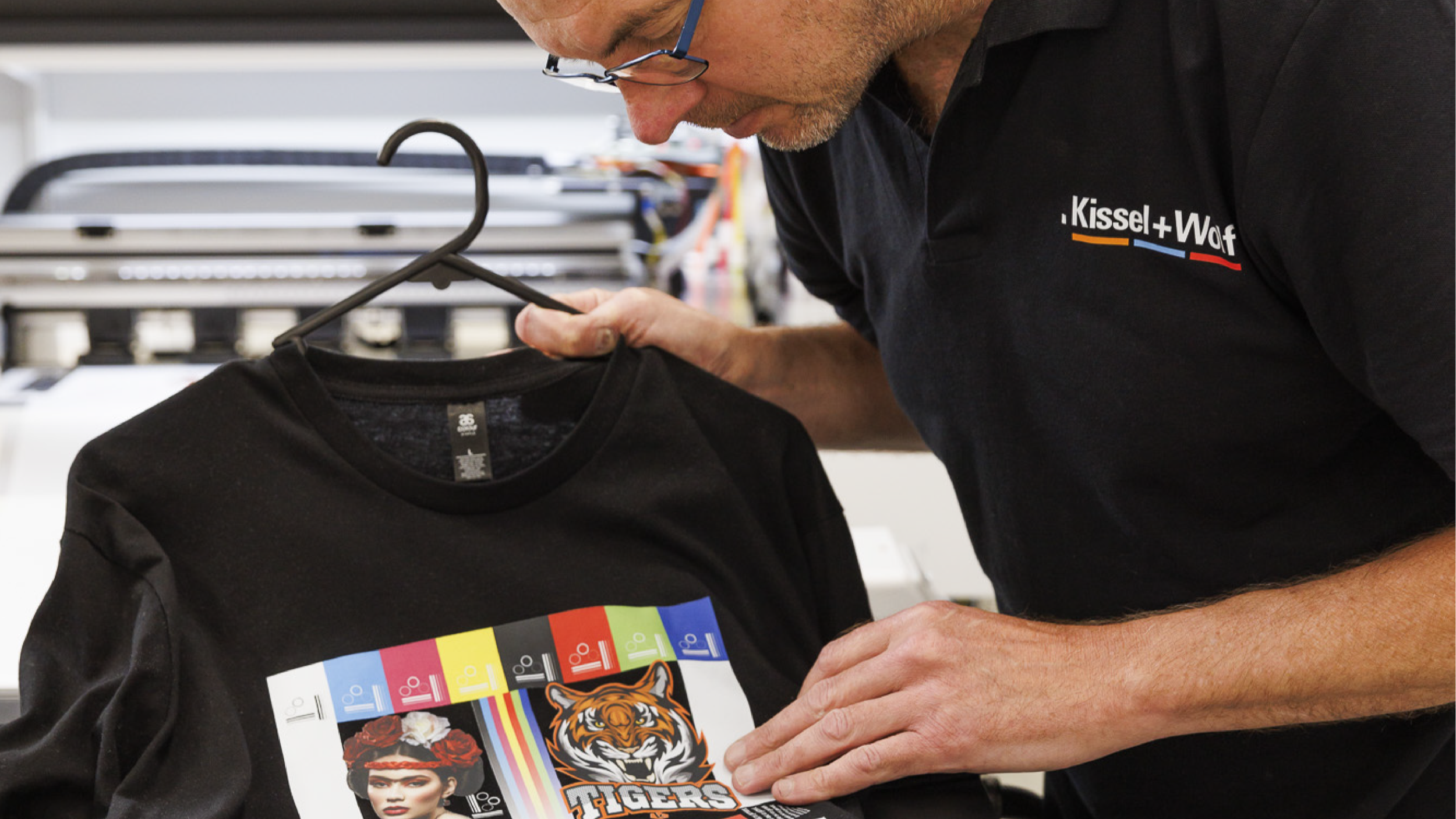
In-house DTF production gives businesses greater control over quality, turnaround times, and custom garment production.
It's About More Than Saving Money
Many businesses assume investing in DTF is primarily about reducing outsourcing costs.
In reality, the biggest advantage is often production flexibility.
Having DTF capability in-house allows businesses to:
respond faster to customer requests
reduce production lead times
schedule jobs more efficiently
test new products quickly
maintain greater quality control
As discussed in our article on why many DTF printing systems struggle to scale, successful DTF production depends on building a complete workflow—not simply purchasing a printer.
Consider the Entire Production Workflow
Before investing, it's important to evaluate more than just the printer itself.
A reliable DTF workflow also includes:
RIP software
compatible inks
quality films
adhesive powders
curing equipment
operator training
ongoing technical support
When these components work together, businesses are better positioned to maintain consistent production as demand grows.
Understanding how DTF ink, film, and powder work together can help businesses make more informed investment decisions.
Questions Worth Asking Before You Invest
Before bringing DTF production in-house, ask yourself:
☐ Are you regularly outsourcing DTF transfers?
☐ Are turnaround times becoming a challenge for your customers?
☐ Are outsourcing costs continuing to increase as production grows?
☐ Do you need greater control over production scheduling and job priorities?
☐ Would producing transfers in-house help you respond faster to urgent or custom orders?
☐ Is your current workflow limiting business growth or production capacity?
☐ Are you looking to improve consistency across your DTF production process?
☐ Would reducing reliance on external suppliers give your business a competitive advantage?
If you answered "yes" to several of these questions, it may be time to explore whether an in-house DTF workflow is the right next step for your business.
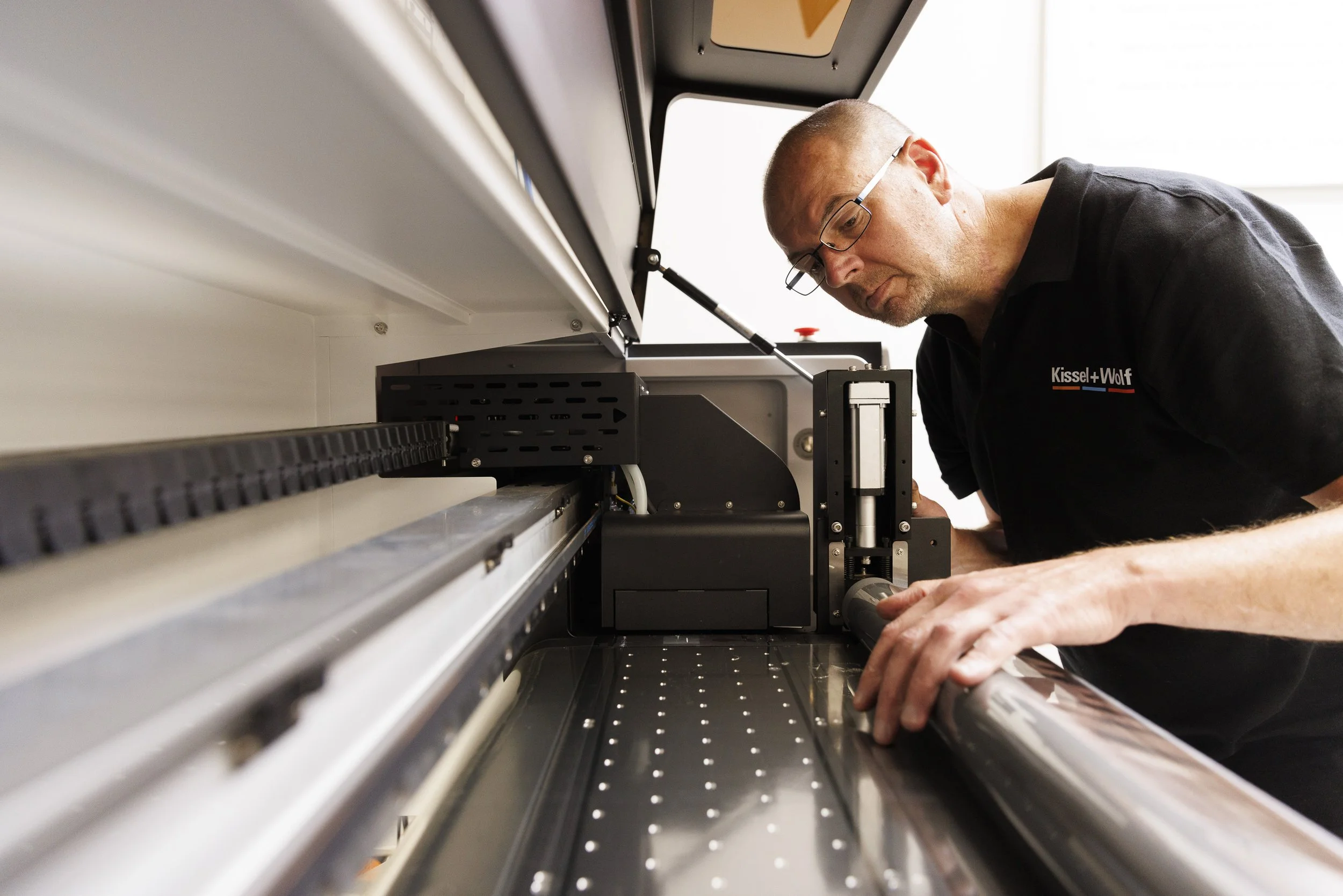
The best DTF investment starts with understanding your workflow—not just selecting a printer.
Still Outsourcing Transfers?
For many businesses, investing in DTF is not simply about replacing an external supplier.
It's about creating a production environment that supports faster turnaround times, greater flexibility, and long-term growth.
At Kissel+Wolf, we help businesses evaluate complete DTF production workflows—from equipment selection and consumables to software, training, and ongoing technical support.
Whether you're producing ten transfers a day or hundreds each week, building the right workflow from the beginning can make future growth significantly easier.
Still outsourcing transfers? Explore our DTF solutions or speak with our team about whether bringing production in-house is the right next step for your business.