Consumables · Squeegees
Screen Squeegees
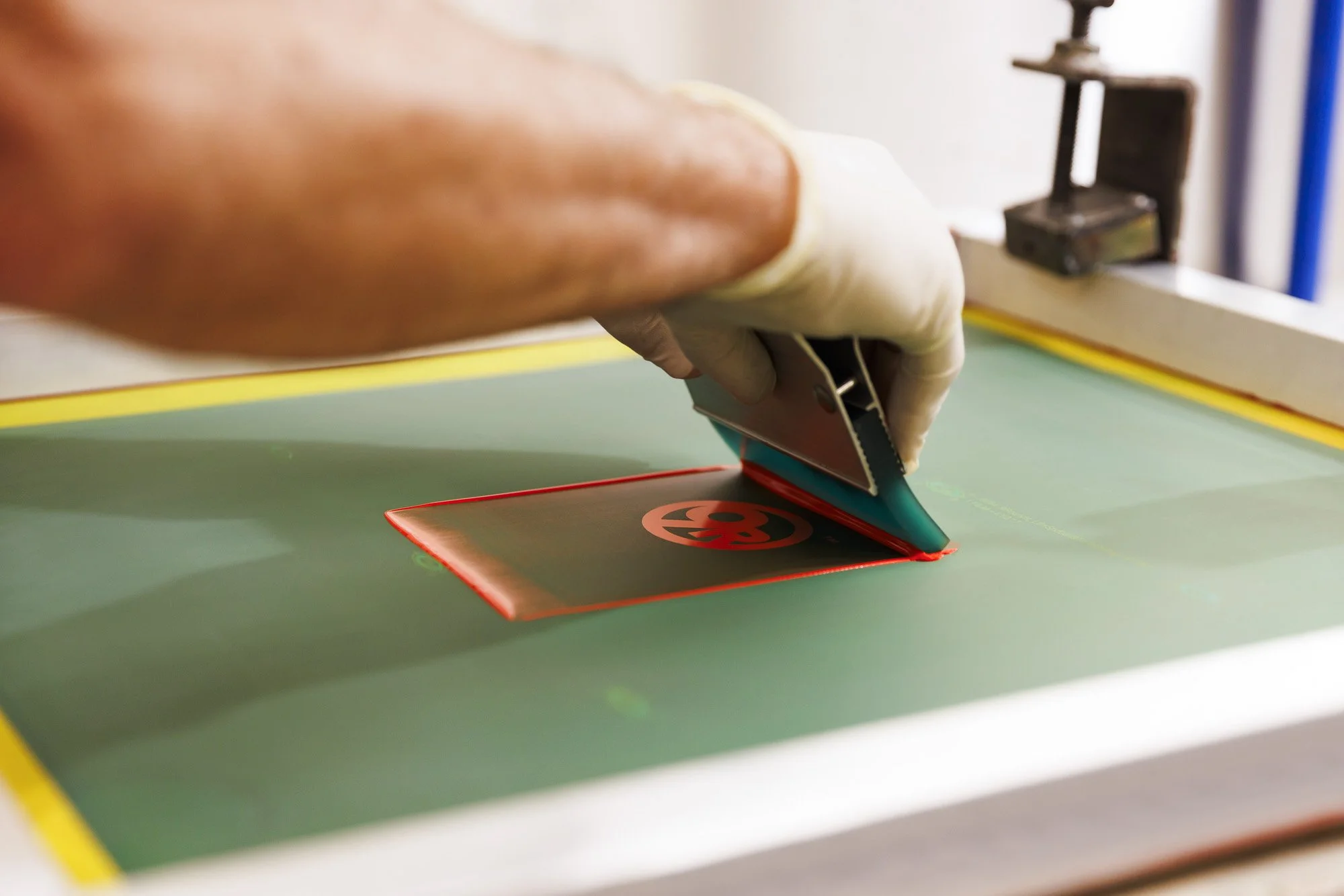
High-quality squeegees built for precision, durability and consistent prints. A squeegee comes down to two choices — edge profile and hardness — and this page walks you through both, then points you to the right blade.
Blade profiles explained
A squeegee is defined by two things: its edge profile and its hardness. Start with the profile — the shape of the edge that meets the ink — then choose a hardness to match your substrate.
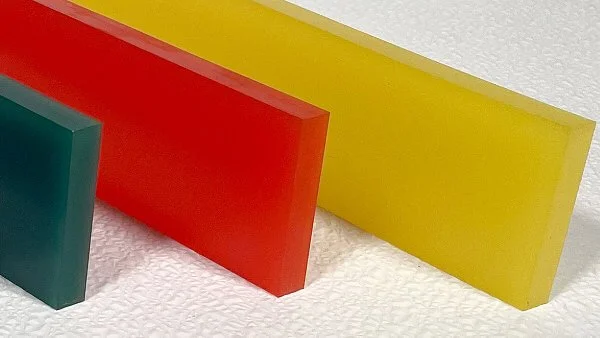
Straight / square edge
The most common and versatile profile. Offers excellent shear for good deposit control and image definition — the everyday choice for textile and general screen printing, and the lowest-cost profile. Use softer durometers for porous substrates, harder for smooth ones.
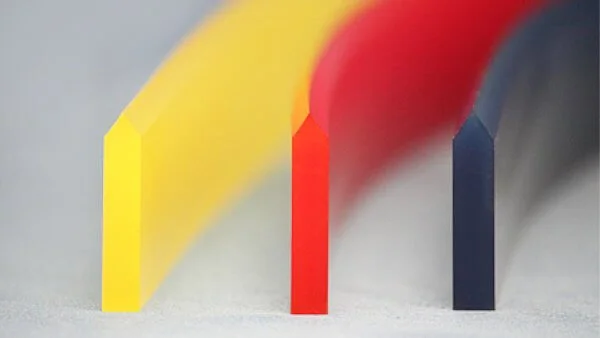
Bevelled edge
Increases hydraulic pressure on the ink. On cylinder presses with no angle control, the bevel drives ink through the stencil; on presses with angle control, it delivers a consistent extra push for a heavier, more controlled deposit.
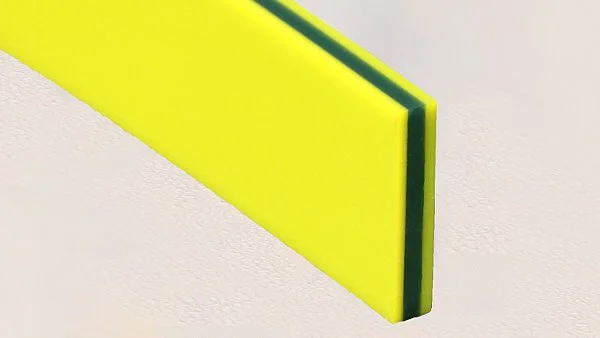
Triple durometer (straight edge)
An exceptional tool for critical ink shear — two soft outer edges with a hard core between them. Maintains its angle with no blade roll-over at high tension and pressure, while the soft tip conforms to irregular surfaces. Used mainly on high-speed presses for four-colour and halftone work.
Choosing hardness (durometer)
Hardness controls how the blade flexes and how much ink it lays down. Softer blades deposit more ink; harder blades give sharper detail. Here is the quick version.
Soft (55–65 A)
Flexes more and lays down a heavier ink deposit. Best for porous substrates, coarse mesh, underbases and printing onto uneven surfaces.
Medium (70–75 A)
The all-round textile hardness. A balance of deposit and control that handles most general garment and graphic work — where most shops start.
Hard (80–90 A)
Flexes least, laying a thin, sharp deposit. Best for smooth substrates, high mesh counts, fine detail and halftone or process printing.
Squeegee ranges
Premium polyurethane blades from Fimor/Sefar and Pleiger, in single and triple-durometer options across many profiles, hardnesses and sizes. Ask us for the full size list and cut-to-length options.
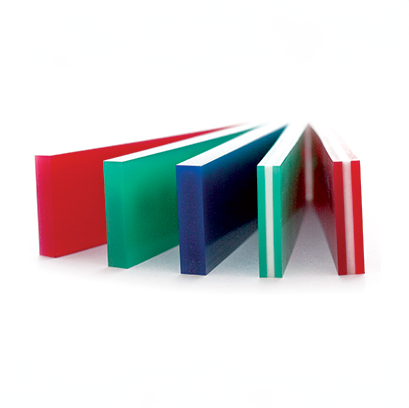
Fimor / Sefar Squeegee
Single & triple-durometer blades
Fimor's polyurethane formula offers the industry's best squeegee blades, with unmatched durometer hardness control for consistent accuracy. The series includes single and triple-durometer options plus multiple hardness and shape profiles to suit any application.
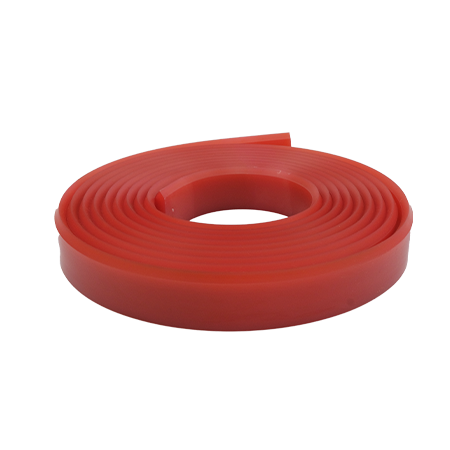
Pleiger Squeegee Blades
Application-specific blades & profiles
Pleiger Plastics offers polyurethane squeegee blades and profiles for a wide range of screen printing applications. All blades are manufactured in the USA, with a broad selection of hardness, colour and profile to match the job.
Not sure which blade and hardness you need?
Tell us your press, mesh, ink and substrate and we'll recommend the right profile, durometer and size — cut to length and ready to run.
Squeegee questions, answered
Profiles, durometer and keeping a clean edge — the essentials.
What does squeegee "durometer" mean?
Durometer is the hardness of the blade, measured on the Shore A scale. Lower numbers (55–65) are soft and lay down more ink; higher numbers (80–90) are hard and lay a thinner, sharper deposit. Triple-durometer blades combine soft edges with a hard core.
Which hardness should I use?
As a guide: soft (55–65A) for underbases, coarse mesh and porous or uneven substrates; medium (70–75A) for general textile work; hard (80–90A) for fine detail, high mesh counts and process printing. The substrate and mesh drive the choice.
What's the point of a triple-durometer blade?
It puts soft rubber on the printing edges (which conform to the surface and shear ink cleanly) with a hard core that stops the blade rolling over at high tension and pressure. That keeps a consistent print angle on fast presses — ideal for four-colour and halftone jobs.
When would I choose a bevelled blade over a straight edge?
A bevel increases hydraulic pressure on the ink. It is useful on cylinder presses without angle control, or where you want a consistent extra push to drive more ink through the stencil. For most flat-bed textile work, a straight edge is the versatile default.
Do you cut blades to length and supply handles?
Yes — blades come in a range of profiles, hardnesses and sizes, and we can help you match blade, handle and length to your press. Tell us your press and typical work and we'll spec it.
How do I keep my squeegees printing well?
A sharp, straight edge is essential for a clean deposit. A squeegee sharpener restores the edge and extends blade life — see our squeegee sharpeners page. Clean blades promptly after printing to avoid swelling and edge damage.
Talk to a screen printing specialist
From a single replacement blade to kitting out a multi-colour press, our team can match the right profile, durometer and size to your work — cut to length and backed by local supply and support across Australia and New Zealand.
Profiles, hardnesses and sizes listed are a selection and are indicative and current as at the time of publishing — contact us for the full range, cut-to-length options, pricing and lead times. The ideal blade depends on your press, mesh, ink and substrate; pre-testing is recommended.
Contact Us