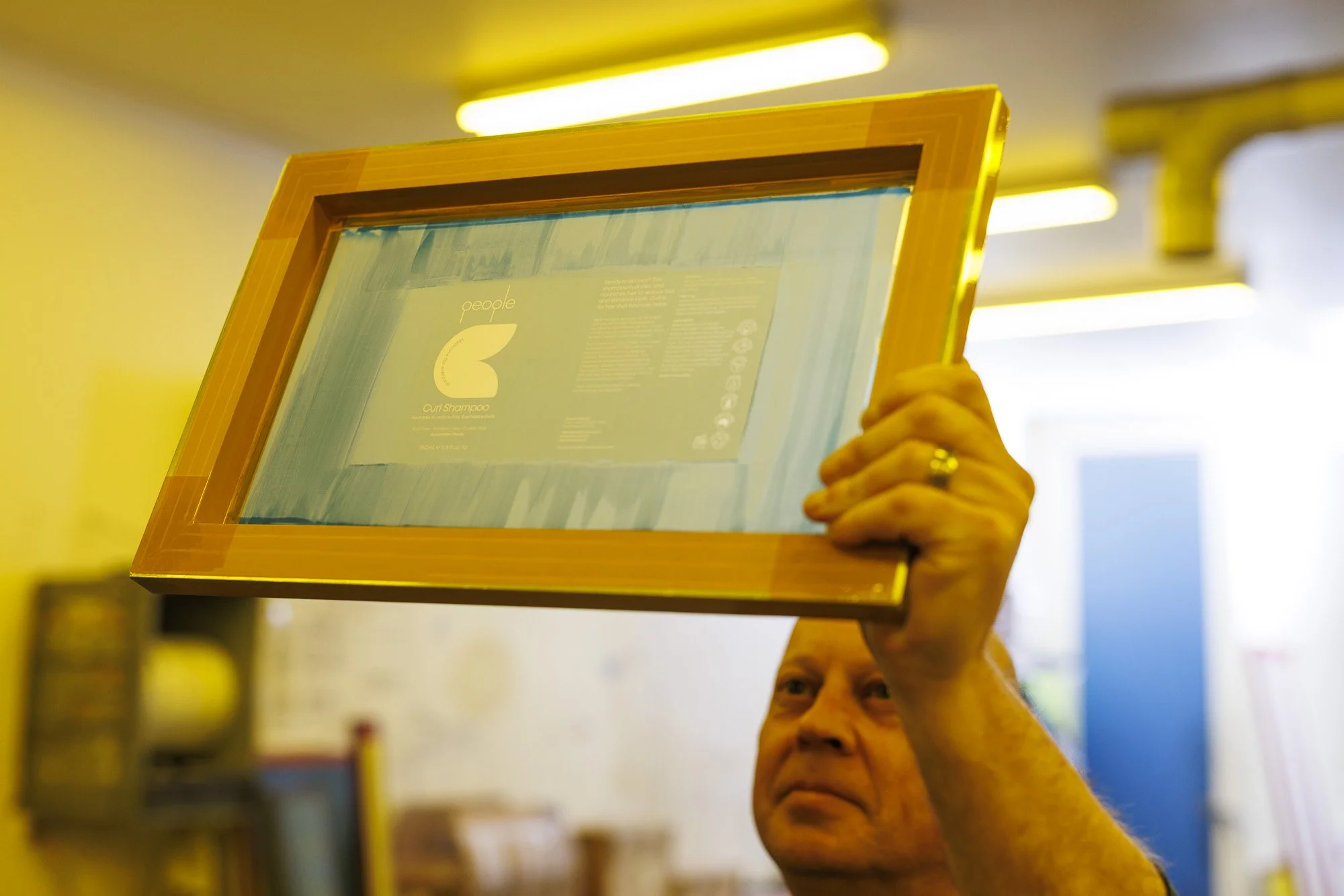
Consistent screen printing starts with precision in screen preparation and stencil quality.
Screen printing remains a reliable and widely used process across textile, signage, and industrial applications in Australia.
However, consistent results depend on how well each stage of production is controlled.
In many cases, screen printing problems are not caused by a single issue, but by small variations across materials, equipment, and process conditions.
What Are the Most Common Screen Printing Problems?
The most common screen printing issues include:
uneven ink coverage
poor adhesion
smudging or loss of detail
inconsistent curing
registration errors
These problems often develop when process variables are not aligned across production.
1. Uneven Ink Coverage
Uneven ink coverage can result in patchy prints or inconsistent colour density.
Common causes
incorrect mesh selection
inconsistent squeegee pressure
unsuitable ink viscosity, particularly when using non-optimised or incompatible screen printing inks
How to prevent it
select the correct mesh for the job
maintain consistent ink preparation
apply stable, repeatable pressure
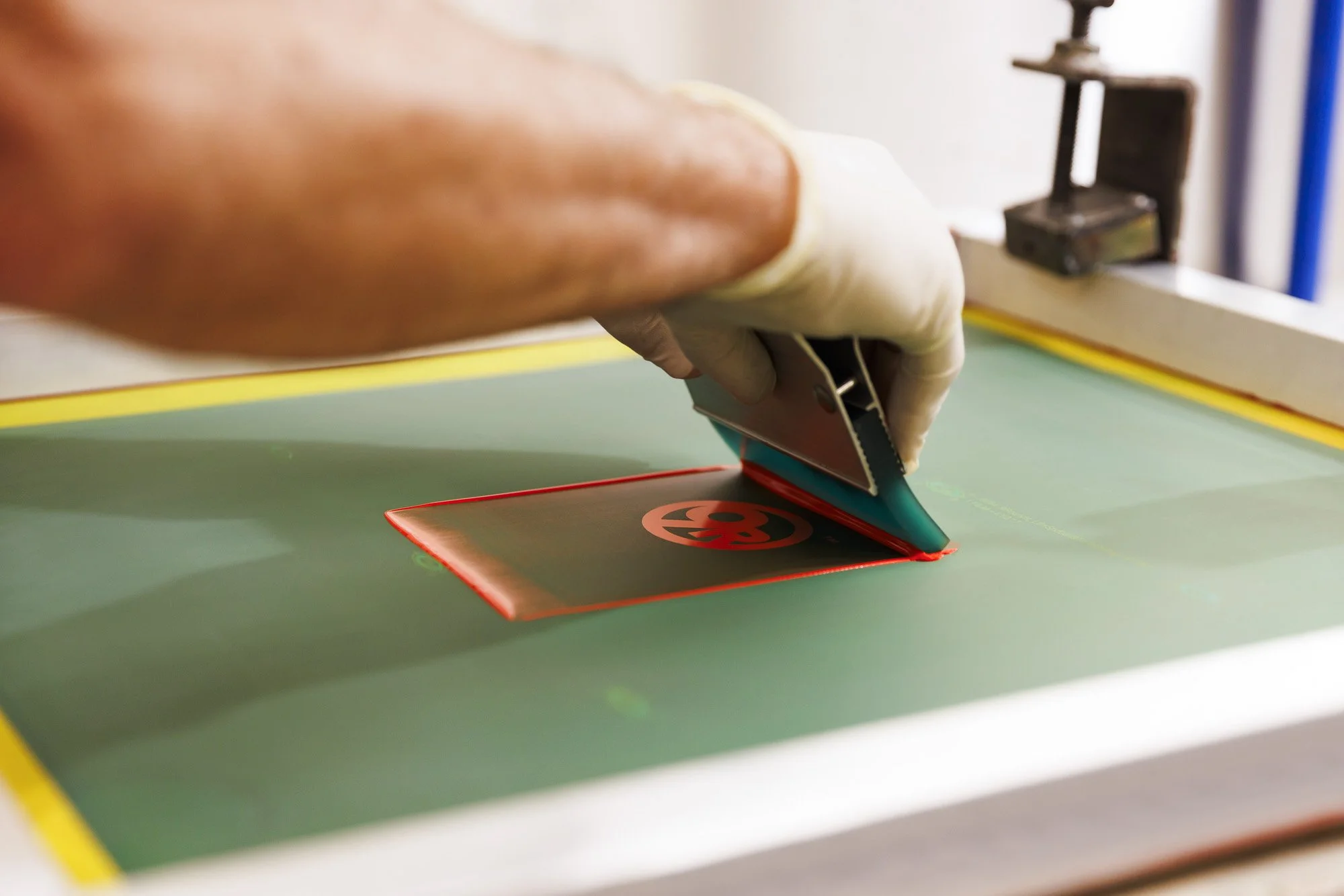
Uneven ink coverage often results from inconsistent squeegee pressure and ink application during the print process.
2. Poor Adhesion
Poor adhesion can lead to peeling, cracking, or reduced durability.
Common causes
incompatible screen printing inks and substrates, especially when materials are not designed to work together
insufficient curing
surface contamination
How to prevent it
use compatible ink systems
maintain stable curing conditions
prepare substrates properly
3. Smudging and Loss of Detail
Smudging reduces clarity and affects the final finish.
Common causes
excessive ink deposit
insufficient drying
poor stencil preparation
How to prevent it
control ink deposit
allow adequate drying time
maintain clean screens
4. Inconsistent Curing
Curing directly affects durability and adhesion.
Common causes
unstable temperatures
uneven heat distribution
incorrect curing time
How to prevent it
maintain consistent temperature and timing
ensure even heat across the surface
Maintaining proper curing conditions is essential when working with modern screen printing chemical systems.
5. Registration Issues
Registration issues affect alignment in multi-colour prints.
Common causes
misaligned screens
movement during printing
inconsistent setup
How to prevent it
ensure precise screen alignment
use stable fixtures
maintain consistent setup procedures
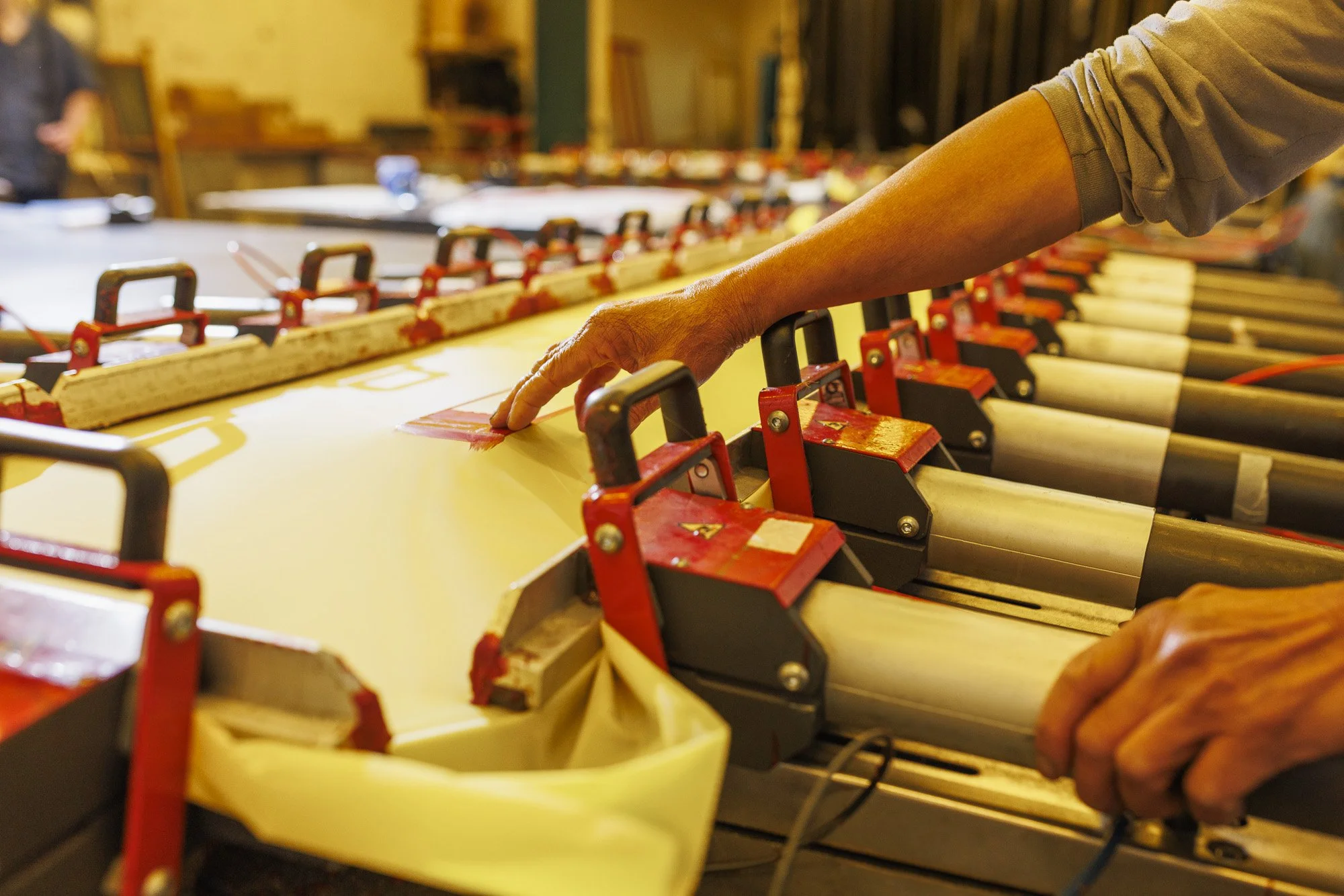
Registration accuracy is achieved through consistent setup, alignment, and controlled movement during printing.
Why These Problems Repeat
These issues are often connected rather than isolated.
A small variation in one stage — such as ink preparation or curing — can affect the final output.
Because of this, screen printing should be approached as a controlled process rather than separate steps.
This is why consistency often depends on how materials behave across the entire process, not just at one stage.
Understanding how these variables interact is critical, particularly when working with screen printing chemicals across different applications.
Conclusion
Most screen printing problems are the result of small inconsistencies rather than major failures.
By focusing on material compatibility, stable process conditions, and consistent setup, businesses can improve print quality and reduce variability.
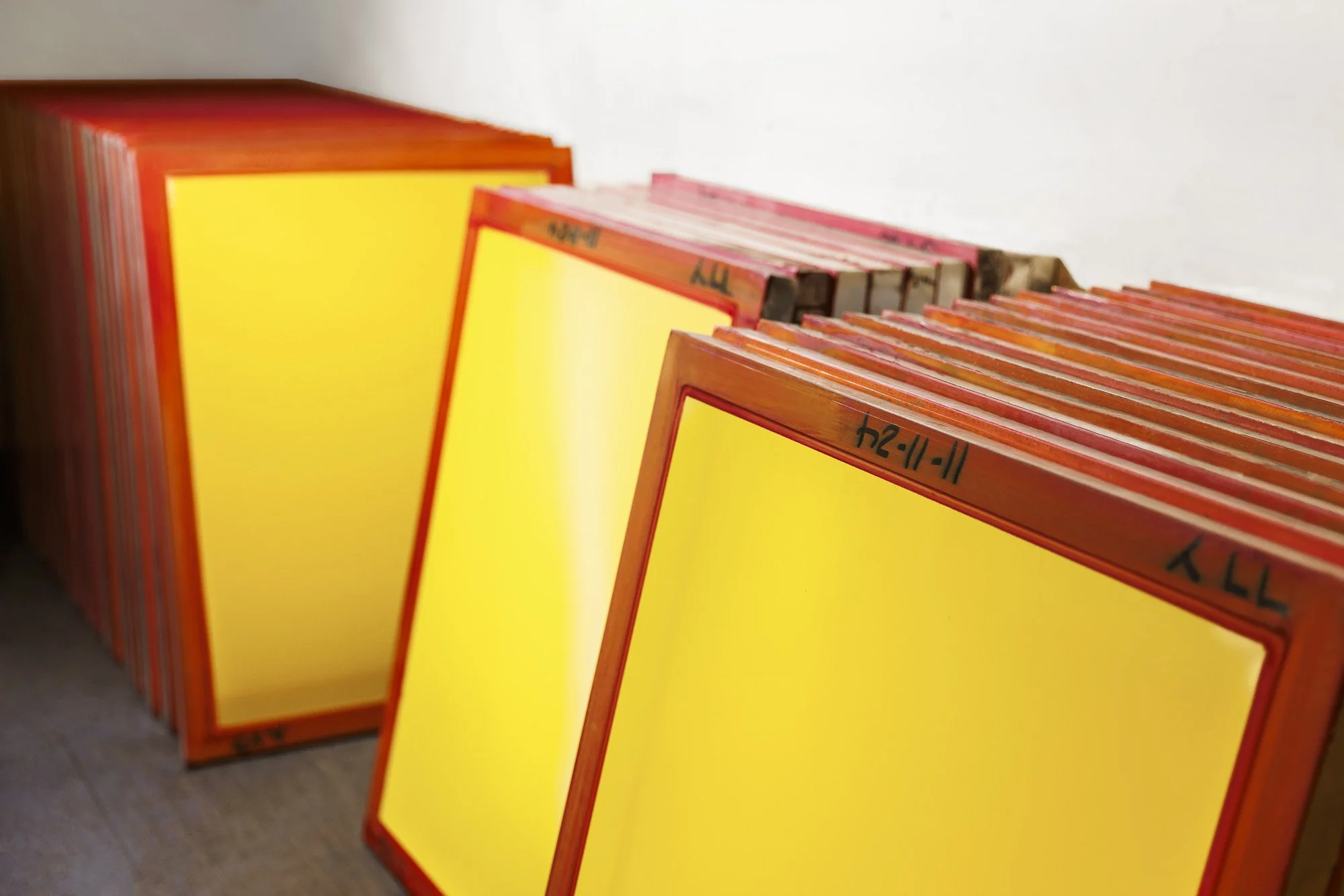
Consistent results begin with properly prepared screens and controlled production conditions.
Improving consistency starts with the right combination of materials, equipment, and process control.
At Kissel+Wolf, we supply screen printing inks and chemical systems designed to work together across modern production environments.
For a deeper understanding of how equipment supports consistency across each stage, you can also read our guide on how modern screen printing equipment strengthens every step of the screen room process.
Get the Right Screen Printing Workflow for Your Production
If you're reviewing your screen printing setup, it may be worth assessing how each stage — from ink preparation through to curing — is controlled and standardised across your workflow.
Contact us to discuss your screen printing workflow.