Modern Screen Printing Equipment: Strengthening Every Step of the Screen Room Process
A high-performing screen printing operation is built in the screen room. Every stage, from stretching to reclaiming influences print quality, efficiency, durability and long-term profitability. Modern equipment does more than improve consistency. It reduces variables, protects margins and allows print businesses to operate with greater confidence and control.
Below is a step-by-step look at how each stage benefits from modern equipment and why it matters for Australian printers.
1. Screen Stretching: The Foundation
Consistent mesh tension is critical for sharp detail, clean snap-off and stable registration.
Modern stretching systems ensure even, repeatable tension across frames, reducing the small distortions that often cause on-press adjustments.
Benefits of controlled stretching:
Stable multi-colour registration
Cleaner edges and sharper print definition
Reduced press-side troubleshooting
Longer mesh life
Improved repeatability for recurring jobs
High, even tension reduces distortion and improves ink release, which directly impacts print clarity and production speed.
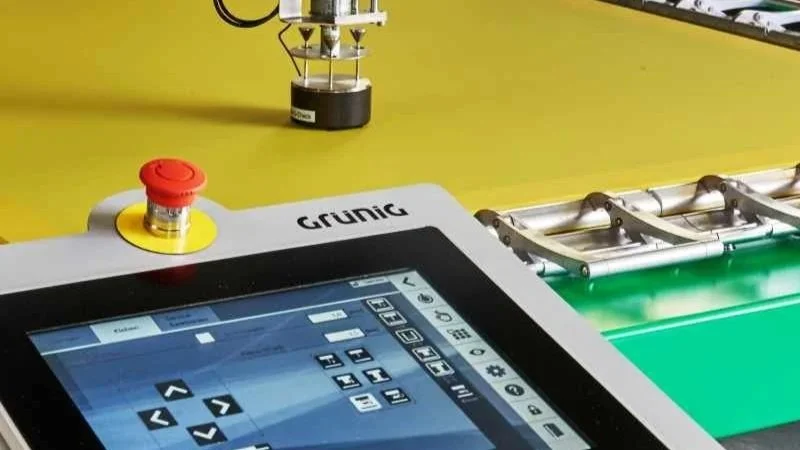
G-STRETCH 270
An example of an automated stretching table from Grunig manufactured in Switzerland.
2. Coating & Exposure: Durable Stencils
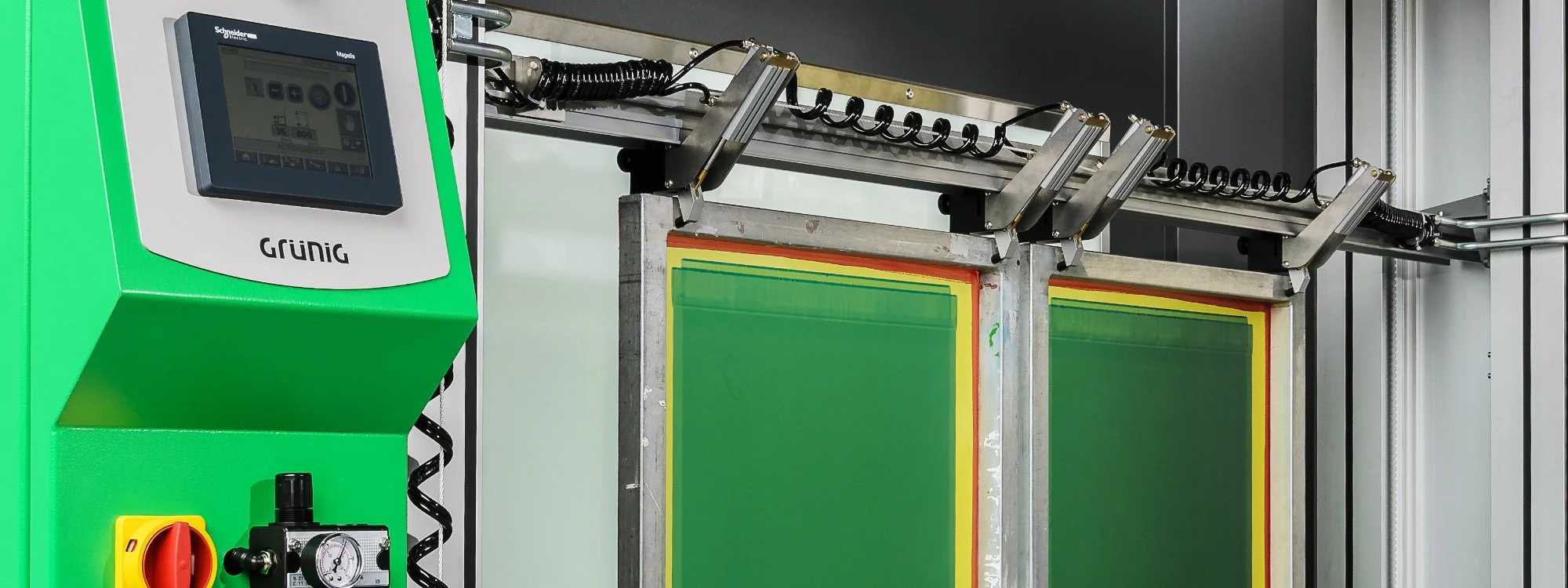
Exposure accuracy determines how well a stencil performs under production pressure. Modern exposure units provide stable light output and precise timing, ensuring emulsions cure evenly and predictably.
Benefits of accurate exposure systems:
Stronger stencils with better durability
Reduced stencil breakdown mid-run
Improved fine detail and halftone reproduction
Fewer costly screen remakes
When exposure is controlled, setup becomes faster and production interruptions are reduced.
3. Washout: Image Development
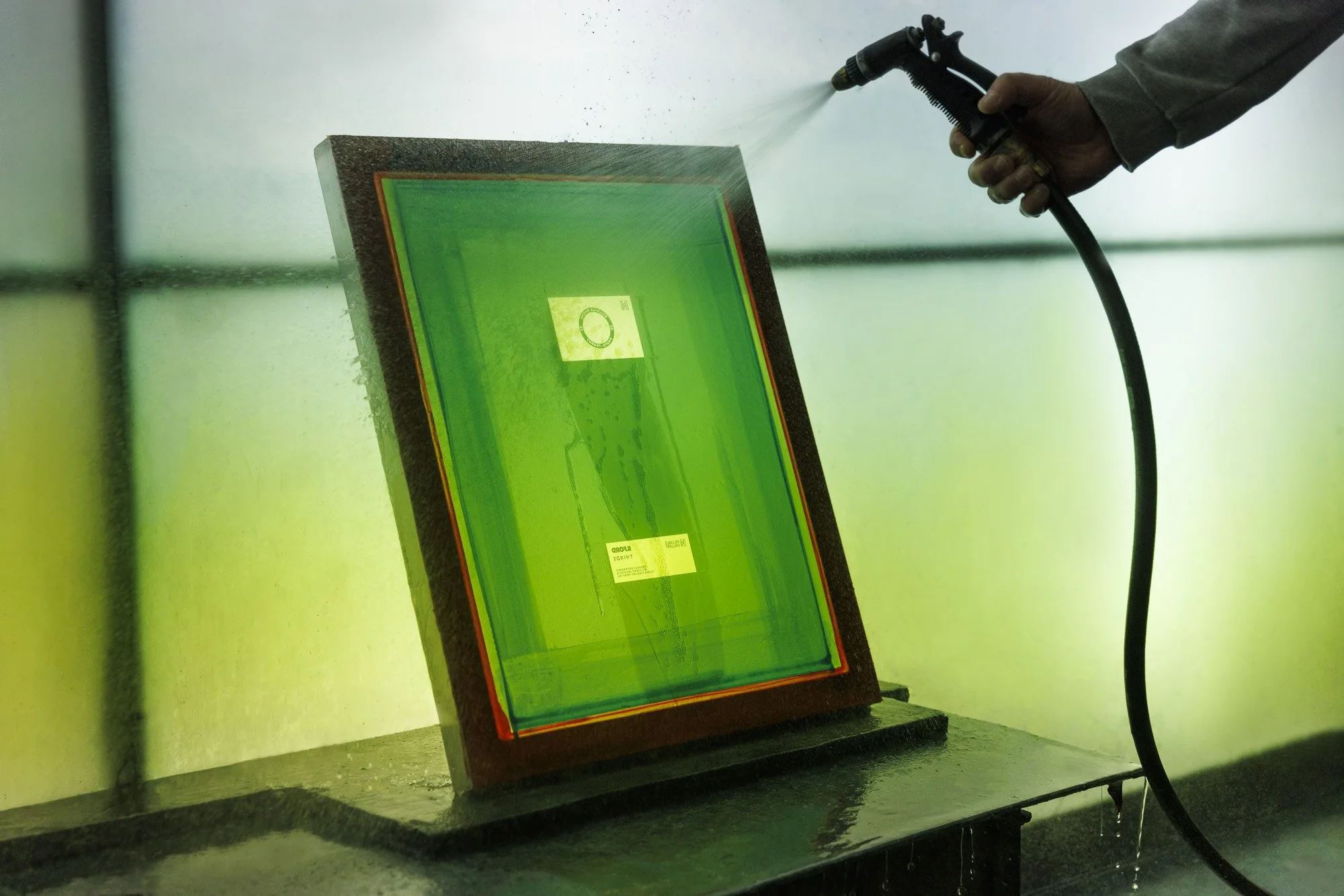
The washout stage determines how accurately the stencil develops. Modern washout booths provide consistent water pressure and improved drainage and filtering systems, protecting mesh integrity and stencil quality.
Benefits of structured washout systems:
Reduced mesh damage
Fewer pinholes and stencil defects
Faster, more predictable turnaround
Lower water and chemical waste
Improved screen longevity
A controlled washout process reduces hidden variables that can compromise print performance later on press.
4. Ink Performance: Results on Press
Even perfectly prepared screens rely on consistent ink behaviour.
High-performance ink systems deliver predictable flow, adhesion and opacity across textiles, industrial substrates and specialty applications.
Benefits of premium ink systems:
Reliable colour strength and vibrancy
Strong adhesion across challenging substrates
Reduced press-side adjustments
Improved wash durability
Greater confidence in repeat jobs
Consistent ink performance reduces setup time and protects brand colour accuracy.
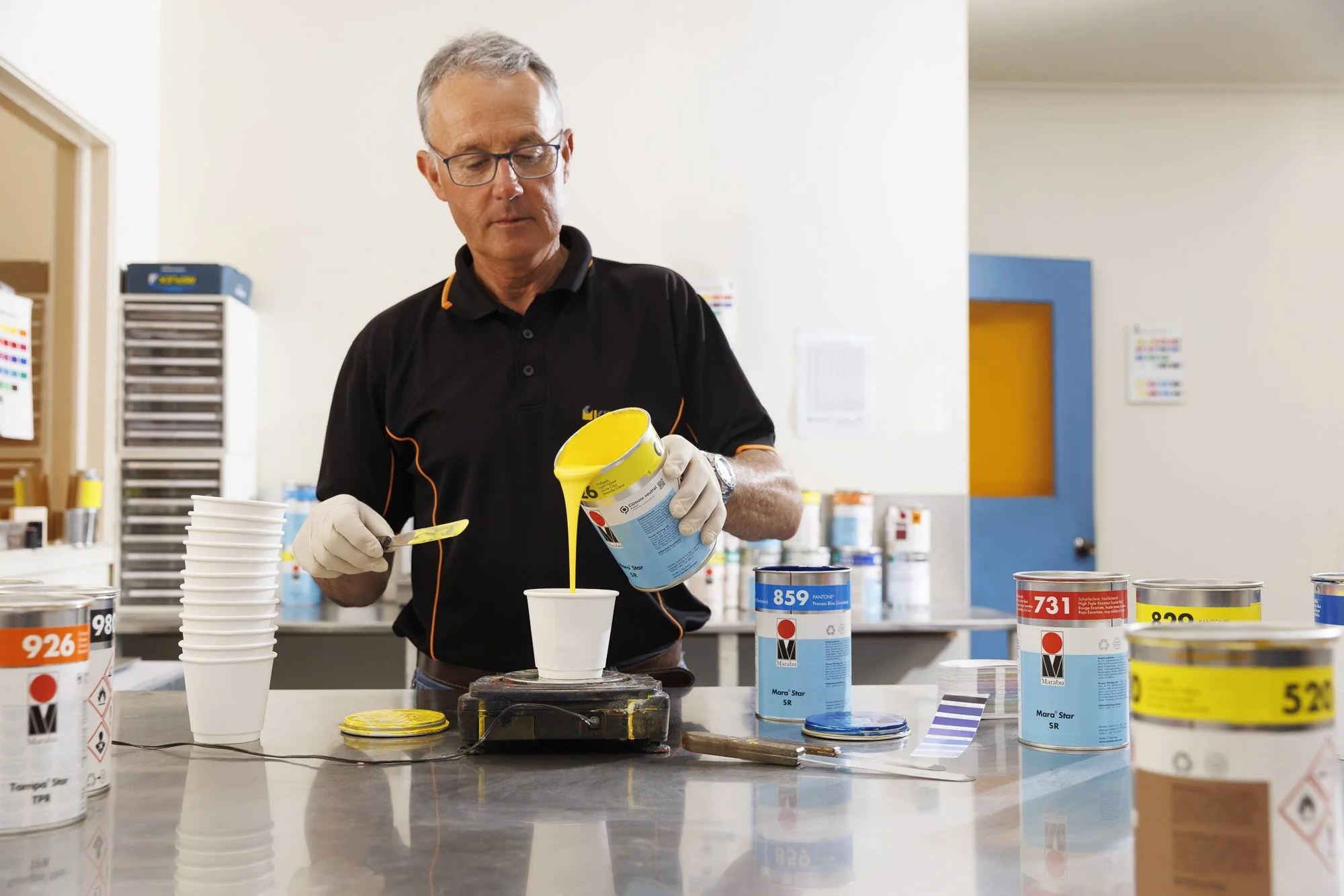
Ink Systems for Every Substrate
5. Reclaiming: Protecting Screen Life
Reclaiming is about restoring screens to a known starting point, not simply cleaning them.
Structured reclaiming processes and appropriate chemistry protect mesh fibres and prepare screens for consistent re-coating.
Benefits of controlled reclaiming:
Extended screen lifespan
Improved emulsion adhesion
Reduced ghost images and staining
Lower chemical overuse
Greater repeatability between production cycles
A reliable reclaiming process reduces screen degradation and protects long-term value.
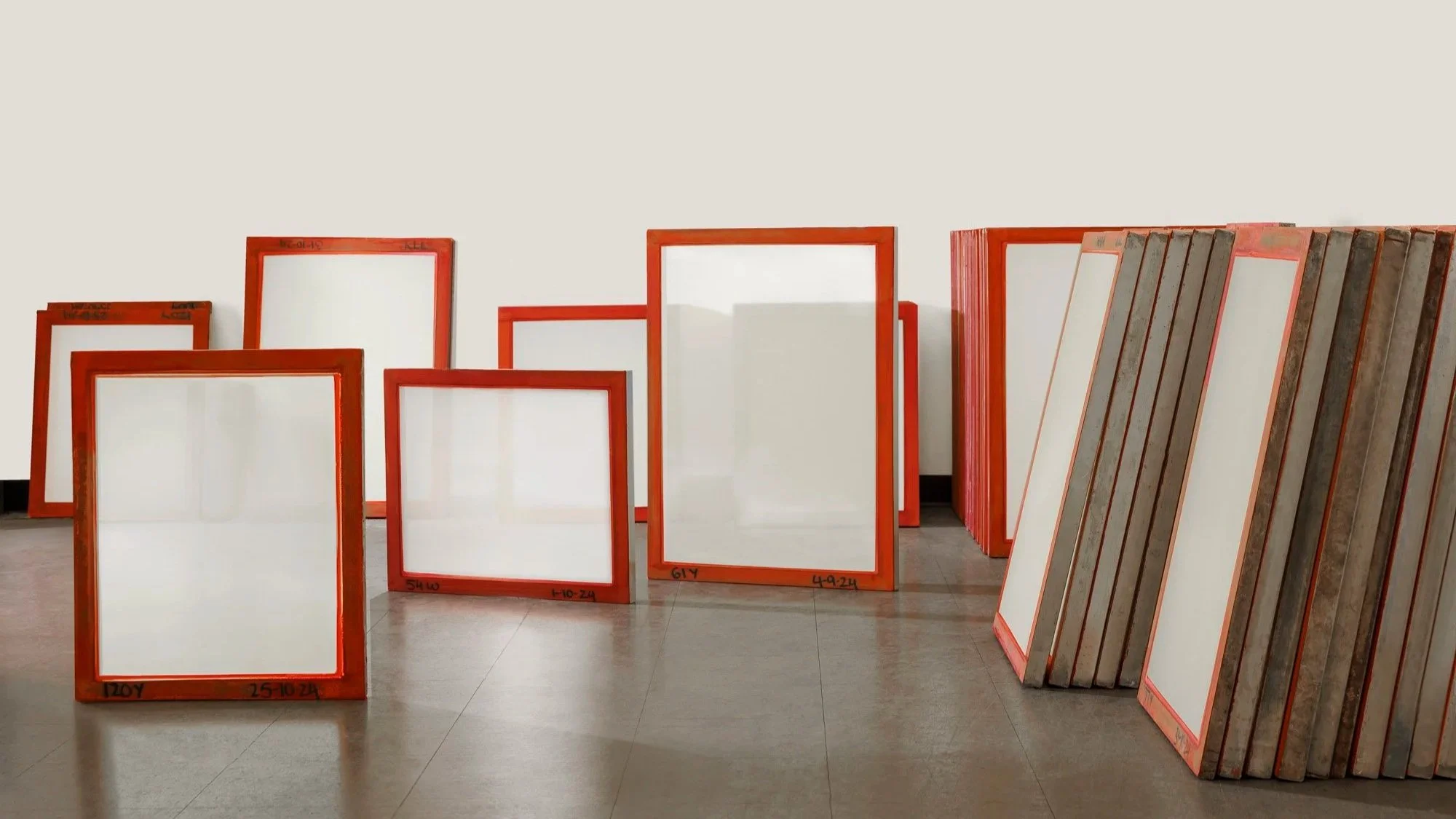
The Bigger Picture: Why Modern Screen Equipment Matters
When every step in the screen room is supported by modern equipment, the benefits compound.
Upgrading the screen room delivers:
Greater operational control
Reduced waste and rework
Faster job turnaround
Lower long-term consumable costs
Improved staff efficiency
Modern screen printing equipment is an upgrade in process reliability, performance and competitiveness.
At Kissel+Wolf, we support Australian printers with complete screen room solutions that strengthen every stage of production.
Visit our website to learn more or contact us to enquire about solutions that fit you using the contact form below.