The Shift from Machines to Systems in Packaging Production
METPACK 2026 event visual representing the future of packaging production, digital printing, and connected manufacturing systems
Packaging production has long been defined by machines.
Presses, coating units, curing systems, and finishing equipment have traditionally been viewed as the primary drivers of performance.
However, this perspective is changing.
Across modern production environments, efficiency is no longer determined by how well individual machines perform, but by how effectively the entire system operates.
This shift reflects a broader change in how production is approached — moving from isolated equipment to connected systems.
Why Machine Performance Alone No Longer Defines Efficiency
Advancements in industrial printing have significantly increased machine capabilities.
Higher speeds, improved precision, and advanced automation are now widely available.
However, increasing machine performance does not always translate into higher productivity.
In many cases:
faster machines expose upstream bottlenecks
material inconsistencies require frequent adjustments
disconnected workflows lead to idle production time
As a result, overall efficiency becomes limited not by the machine itself, but by how well it is integrated into the wider production process.
The Role of Workflow Integration
High-performing production environments focus on alignment across the workflow.
This includes coordination between:
prepress and file preparation
material selection and handling
printing and curing
finishing and post-processing
When these stages are connected, production becomes more predictable.
Transitions are smoother, interruptions are reduced, and output remains consistent.
This is where improvements in performance become visible — in the consistency and quality of the final output.
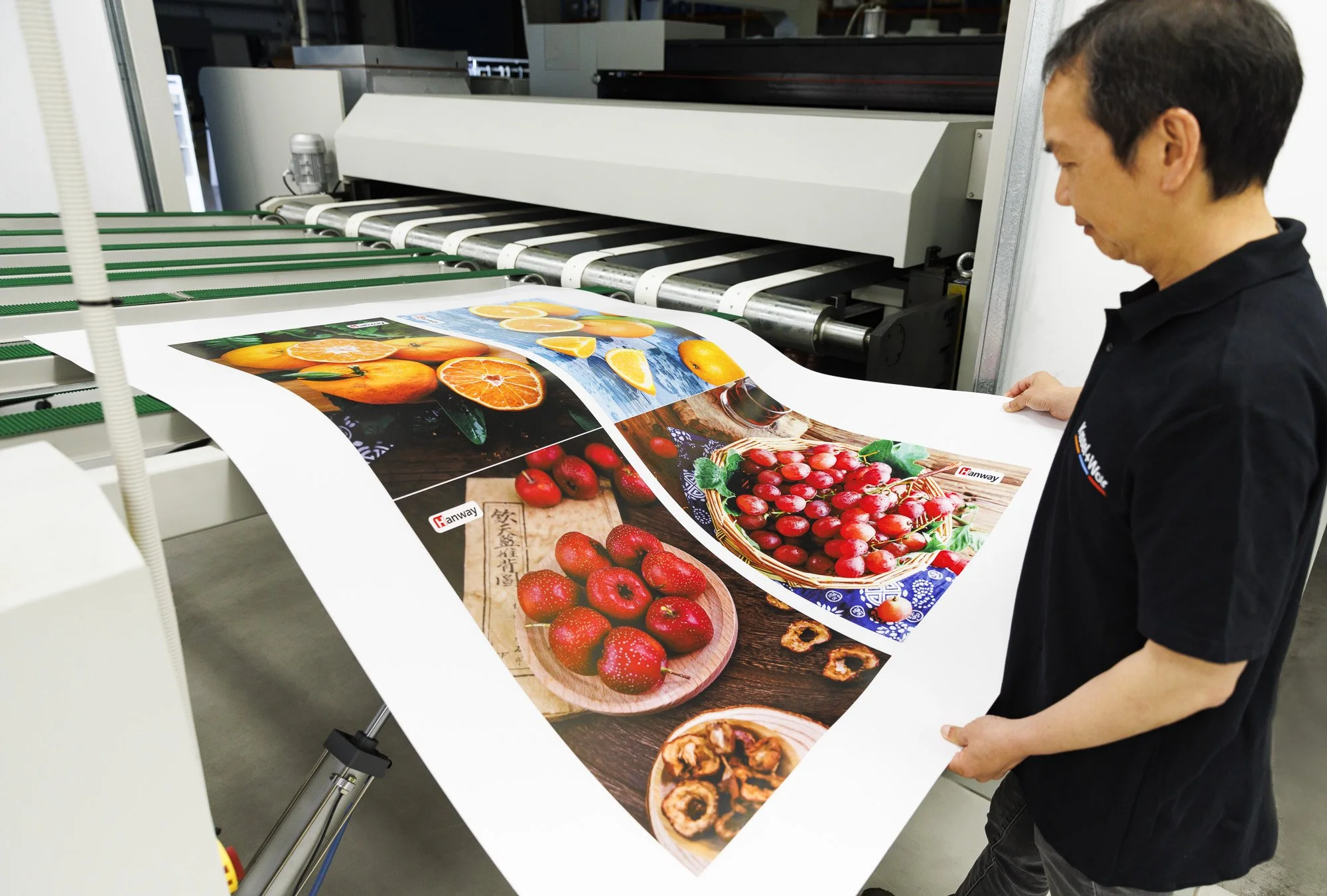
Production performance depends on how effectively each stage of the workflow is connected.
Data, Visibility, and the Smart Factory
As workflows become more connected, visibility across production becomes increasingly important.
Modern systems incorporate:
real-time monitoring
performance tracking
data-driven adjustments
This allows production teams to identify inefficiencies early, reduce downtime, and maintain consistent output.
The concept of the “smart factory” is not defined by automation alone, but by the ability to understand, monitor, and control the entire production process.
Single-Pass Systems and Continuous Production
Recent developments in industrial packaging highlight this shift.
Single-pass production systems, such as those being showcased at METPACK 2026, are designed to simplify and streamline the printing process.
These systems aim to:
reduce handling between stages
minimise alignment challenges
maintain consistent output at higher speeds
More importantly, they reflect a broader transition toward integrated production systems rather than isolated improvements.
What This Means for Packaging Production
For many operations, the challenge is not adopting new equipment, but integrating it effectively.
This involves:
aligning materials with process requirements
reducing variability across stages
ensuring workflows support production speed
By focusing on how systems operate as a whole, rather than on individual components, production environments can achieve more stable and efficient outcomes.
This is most evident in how production systems operate in real-world environments.
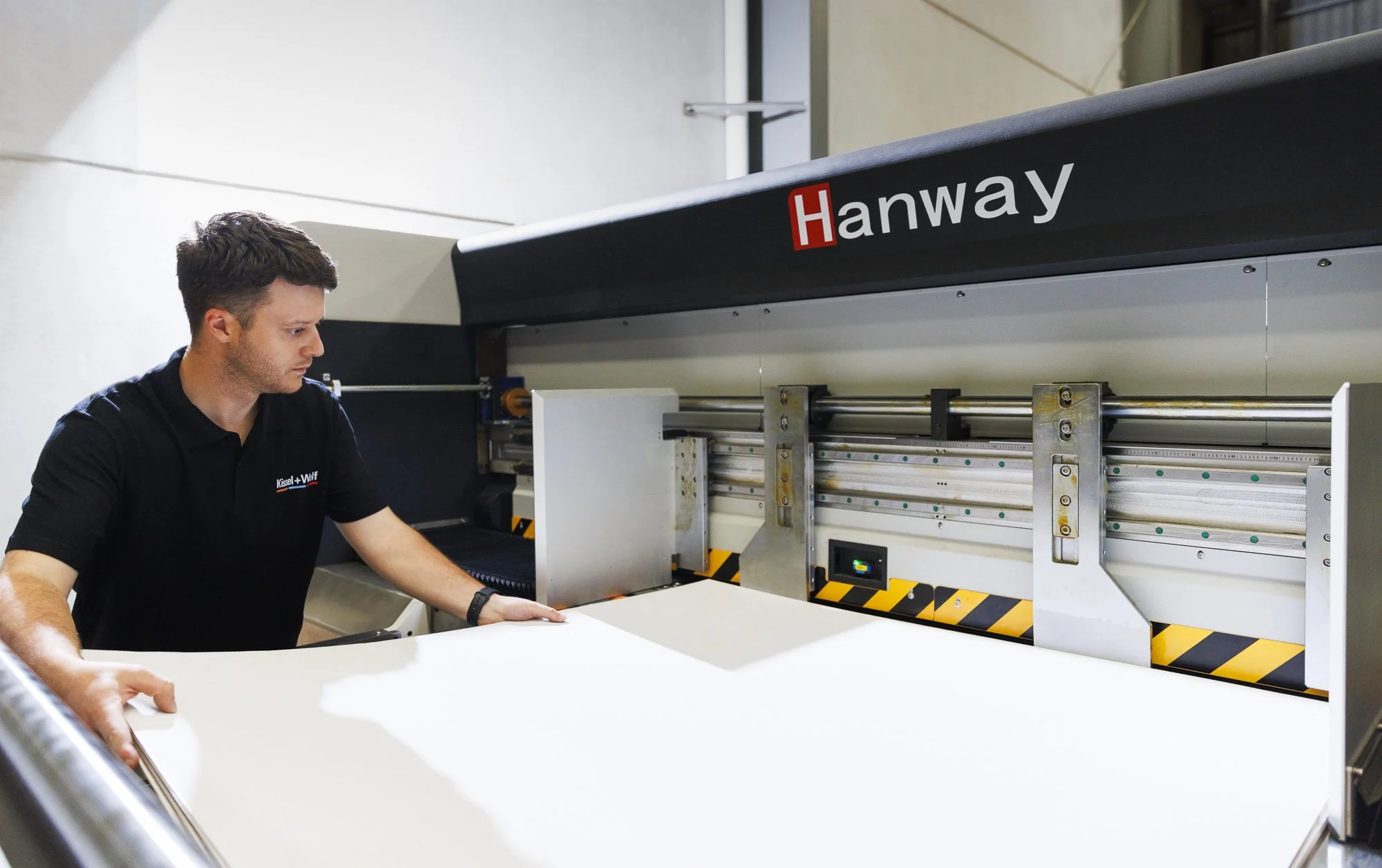
Consistent output depends on how materials, technologies, and workflow processes are aligned across the production system.
Where This Shift Becomes Visible
This transition from machine-focused production to system-level thinking is becoming increasingly visible across the industry.
At METPACK 2026, many of the innovations being showcased are no longer centred on individual machines, but on how entire production systems operate as a whole.
Hosted at Messe Essen, the event brings together global suppliers, manufacturers, and decision-makers across the metal packaging industry.
From digital printing technologies to integrated production lines, the emphasis is on connectivity, coordination, and control across every stage of the process.
We’ll be there exploring these developments — and how they are shaping modern production workflows.
If you’re attending, it will be a valuable opportunity to connect and explore how these changes are taking shape across the industry.
Align Your Workflow for Better Production Performance
As packaging production becomes more complex, many businesses are re-evaluating how their processes support efficiency, consistency, and control.
Sustainable outcomes are not achieved through materials or technologies alone — they depend on how well each stage of production is coordinated.
If you're reviewing your current setup, it may be worth looking at how workflow alignment and automation can reduce inefficiencies, improve visibility, and support more stable, scalable production.
Explore solutions designed to improve process efficiency across packaging production.