The Cost of Workflow Gaps in Print Production
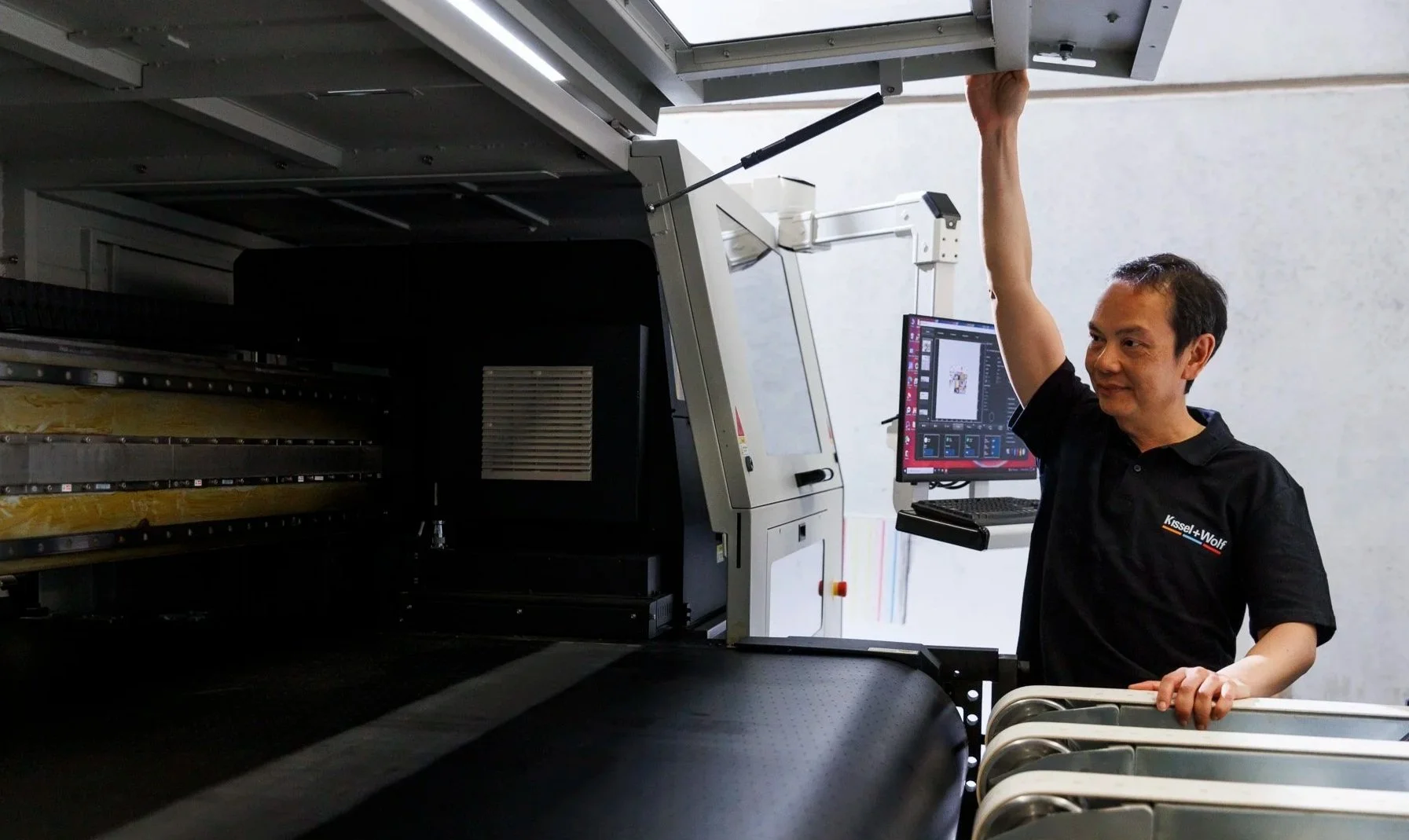
Workflow gaps are often not visible at one stage — they appear in how each stage connects across production.
Print production environments are built around processes.
From job preparation through to final output, each stage is designed to move work forward efficiently.
However, when gaps appear between these stages, production is affected in ways that are not always immediately visible.
In many cases, the cost of these workflow gaps is not defined by a single failure, but by the accumulation of small inefficiencies over time.
What Are Workflow Gaps in Print Production
Workflow gaps occur when there is a lack of alignment or coordination between stages of production.
This can happen during:
job handovers
file preparation and approvals
transitions between departments
communication between systems or teams
These gaps often introduce delays, inconsistencies, and additional manual intervention.
Where Workflow Gaps Typically Appear
Workflow gaps are not always obvious.
They often appear in routine processes, such as:
Job Preparation and Prepress
Incomplete or inconsistent file setup can lead to repeated adjustments during production.
Approval and Communication
Delays in approvals or unclear instructions can interrupt production flow.
Production Handover
Information may be lost or misinterpreted when moving from one stage to another.
Finishing and Output
Misalignment between production and finishing requirements can result in rework.

Production efficiency depends on clear handovers — misalignment between stages can lead to delays and rework.
The Hidden Costs of Workflow Gaps
The impact of workflow gaps is often underestimated because it is spread across multiple areas.
1. Increased Rework
When errors are introduced early, they often need to be corrected later.
This leads to repeated production steps and additional labour.
2. Material Waste
Incorrect setups or miscommunication can result in wasted substrates, inks, and consumables.
3. Delays in Turnaround Time
Interruptions between stages slow overall production, affecting delivery timelines.
4. Inconsistent Output
Variations in process control can lead to differences in quality across jobs.
5. Reduced Operational Efficiency
Manual corrections and repeated checks reduce the efficiency of the entire workflow.
Why These Gaps Persist
Workflow gaps often persist because they are not always visible as isolated issues.
Instead, they are built into how processes are structured.
For example:
reliance on manual corrections
lack of standardised workflows
disconnected systems or tools
Over time, these factors contribute to ongoing inefficiencies.
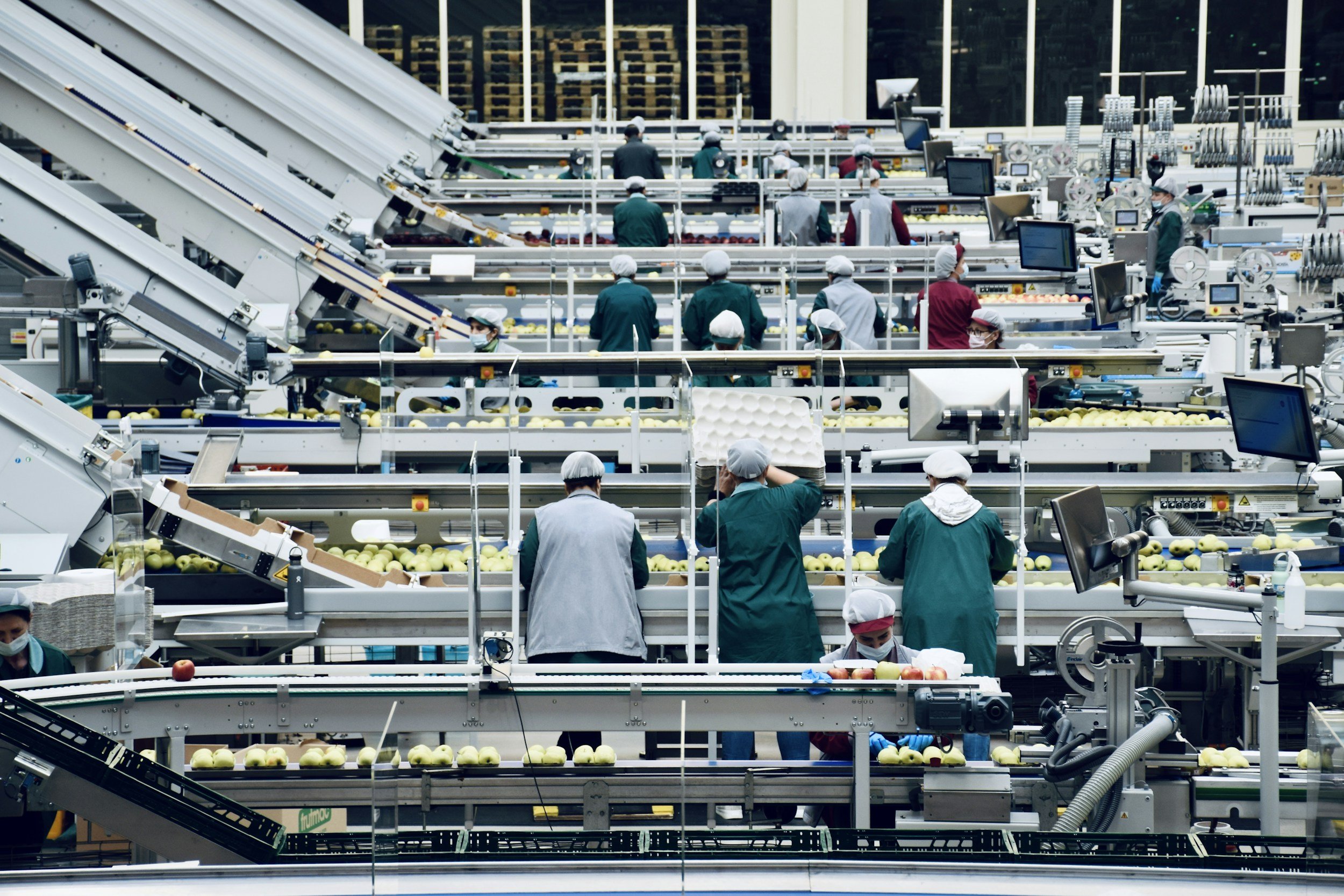
As production scales, gaps are more likely to appear between stages — particularly when workflows are not fully aligned.
Improving Workflow Efficiency in Print Production
Reducing workflow gaps is less about fixing individual issues and more about improving overall coordination.
This includes:
standardising job preparation processes
improving communication between stages
aligning equipment and workflow requirements
reducing reliance on manual intervention
A structured workflow helps ensure that each stage supports the next, rather than introducing variability.
The Role of Workflow Systems and Automation
Modern print environments increasingly rely on workflow systems to improve visibility and control.
These systems can:
automate repetitive tasks
standardise processes
reduce manual errors
improve consistency across jobs
By connecting stages of production, workflow systems help reduce gaps and support more efficient operations.
Conclusion
The cost of workflow gaps in print production is rarely immediate, but it accumulates over time.
Small inefficiencies across job preparation, communication, and production stages can lead to increased costs, delays, and inconsistent output.
By focusing on workflow alignment and process control, businesses can reduce variability and improve overall production efficiency.

Improving workflow efficiency comes down to control — where each stage is monitored, aligned, and consistently executed.
At Kissel+Wolf, we support print production environments with solutions designed to improve workflow coordination and production consistency.
For a deeper look at how structured workflows reduce manual bottlenecks, read our guide on how optimising prepress workflow improves print production.
Get the Right Workflow for Your Production
If you're reviewing your production setup, it may be worth assessing how each stage of your workflow is connected and controlled.
Understanding where gaps exist is the first step towards improving efficiency and consistency.
Contact us to discuss your production workflow.