Screen Printing Chemicals: Key Factors to Consider
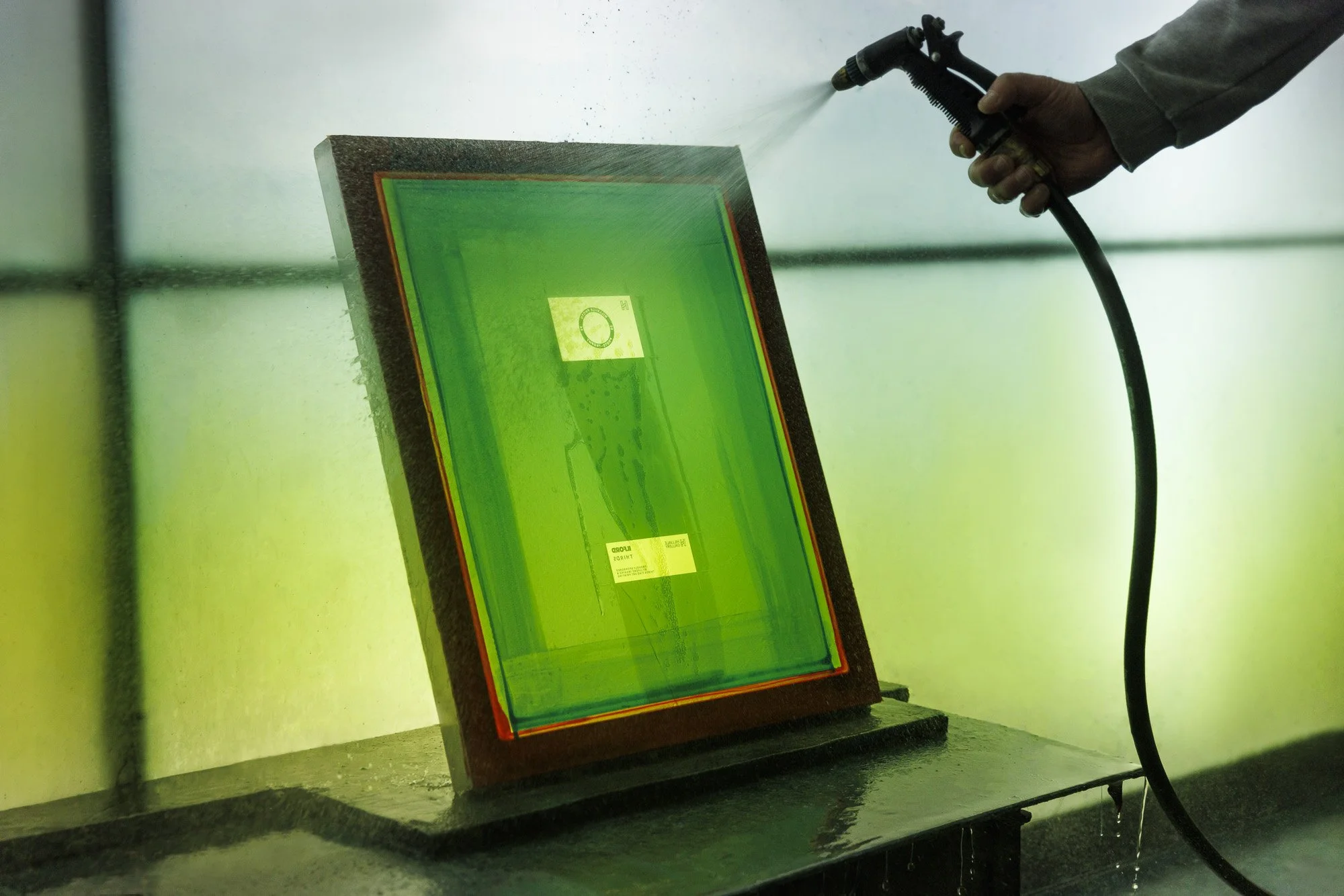
Chemical selection influences every stage of screen printing — from stencil preparation through to reclaiming and reuse.
Screen printing consistency is influenced not only by equipment and technique, but also by the chemical systems used throughout the process.
From stencil preparation through to reclaiming, chemicals play a role in how each stage performs.
Selecting the right products is not simply a matter of availability — it affects workflow stability, print quality, and long-term production efficiency.
Why Chemical Selection Matters in Screen Printing
Screen printing chemicals are used across multiple stages, including:
stencil creation
screen preparation
printing
cleaning and reclaiming
Because of this, inconsistencies in chemical selection can affect:
stencil durability
ink performance
cleaning efficiency
overall workflow reliability
For this reason, chemical selection should be approached as part of a system, rather than as individual products.
1. Compatibility Across the Process
One of the most important factors is how well chemicals work together.
This includes:
emulsions and exposure systems
inks and stencil durability
cleaning products and reclaiming chemicals
Using incompatible products can lead to:
stencil breakdown during printing
inefficient cleaning
inconsistent results across jobs
Selecting systems designed to work together helps reduce variability across production.
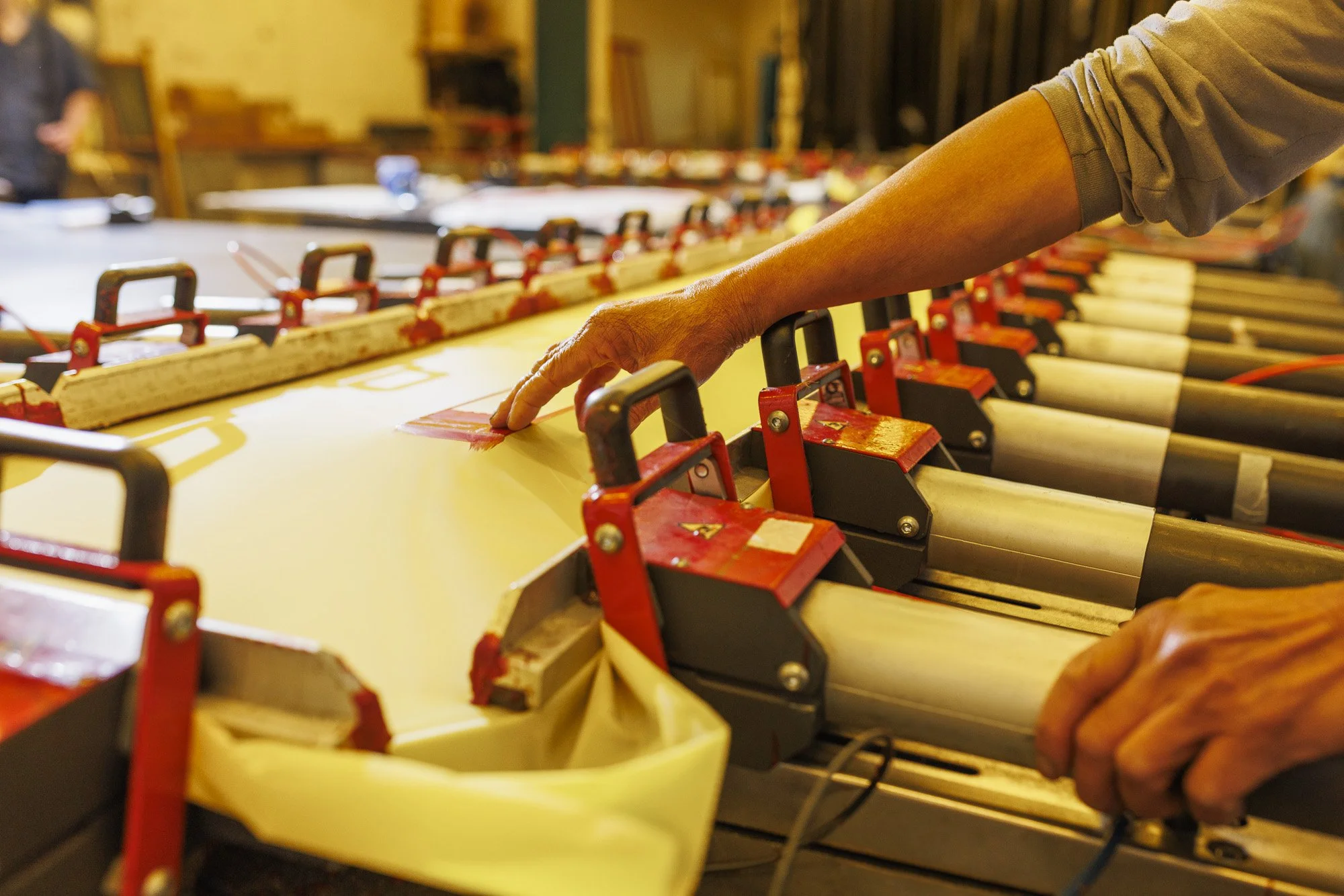
Consistent results depend on how materials, equipment, and processes are aligned across the entire production workflow.
2. Application Requirements
Different applications require different chemical properties.
Factors to consider include:
substrate type (textiles, plastics, packaging materials)
ink systems (water-based, solvent-based, UV)
production volume
For example, high-volume production may require:
more durable emulsions
faster drying or curing properties
Aligning chemical selection with application requirements helps maintain consistency across different jobs.
3. Stencil Performance and Durability
Stencil quality directly affects print accuracy and repeatability.
Key considerations include:
resistance to ink systems
ability to maintain detail
durability across long print runs
If stencil performance is not consistent, issues such as:
loss of detail
stencil breakdown
frequent rework
may occur.
Selecting appropriate emulsions and hardeners helps maintain stability throughout production.
4. Cleaning and Reclaiming Efficiency
Cleaning and reclaiming are essential to maintaining screen quality over time.
Factors to consider include:
effectiveness of ink removal
impact on stencil integrity
ease of reclaiming screens
Inefficient cleaning processes can lead to:
residue buildup
reduced screen life
inconsistent print quality
Using compatible cleaning and reclaiming chemicals helps maintain consistent screen performance.
5. Environmental and Safety Considerations
Modern production environments increasingly consider:
operator safety
environmental impact
regulatory compliance
This includes:
low-odour formulations
reduced chemical exposure
safer handling processes
Selecting chemicals that meet these requirements supports safer and more sustainable production.
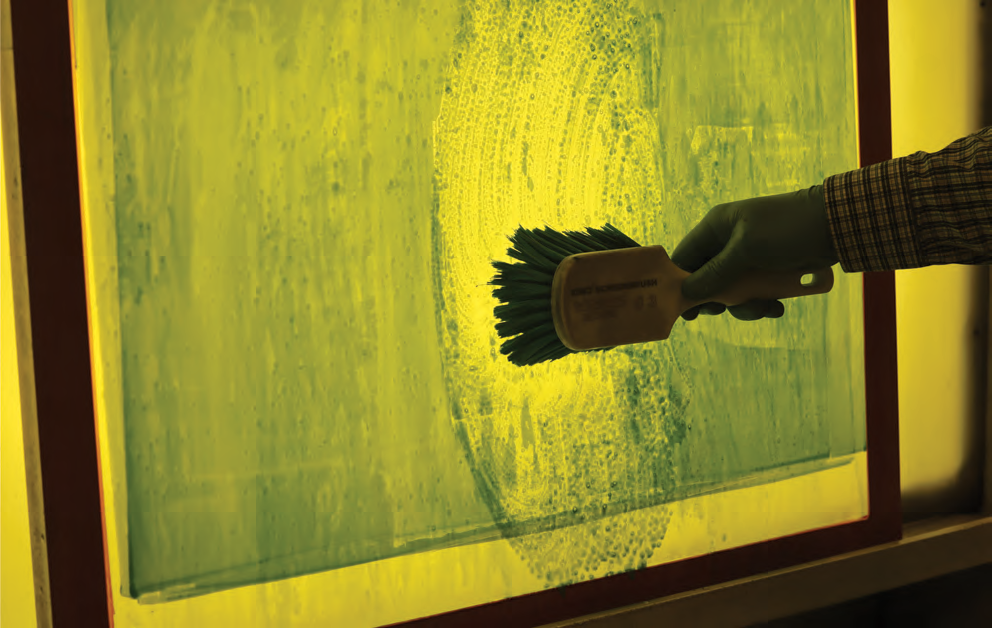
Safe handling and controlled application of screen printing chemicals are essential for maintaining both operator safety and process consistency.
How Chemical Selection Affects Workflow Consistency
Chemical selection does not operate in isolation.
It influences how smoothly each stage of the process connects.
For example:
stencil preparation affects print stability
cleaning affects repeatability
reclaiming affects long-term efficiency
Because of this, selecting the right chemicals contributes to:
reduced downtime
fewer production interruptions
more predictable output
This aligns with how screen printing problems often originate from small inconsistencies across the process, as explored in our guide on common screen printing problems and how to prevent them.
Conclusion
Selecting screen printing chemicals is a key part of maintaining consistency across production.
Rather than focusing on individual products, it is more effective to consider how each chemical interacts within the overall process.
By prioritising compatibility, application requirements, and workflow efficiency, businesses can reduce variability and improve long-term results.
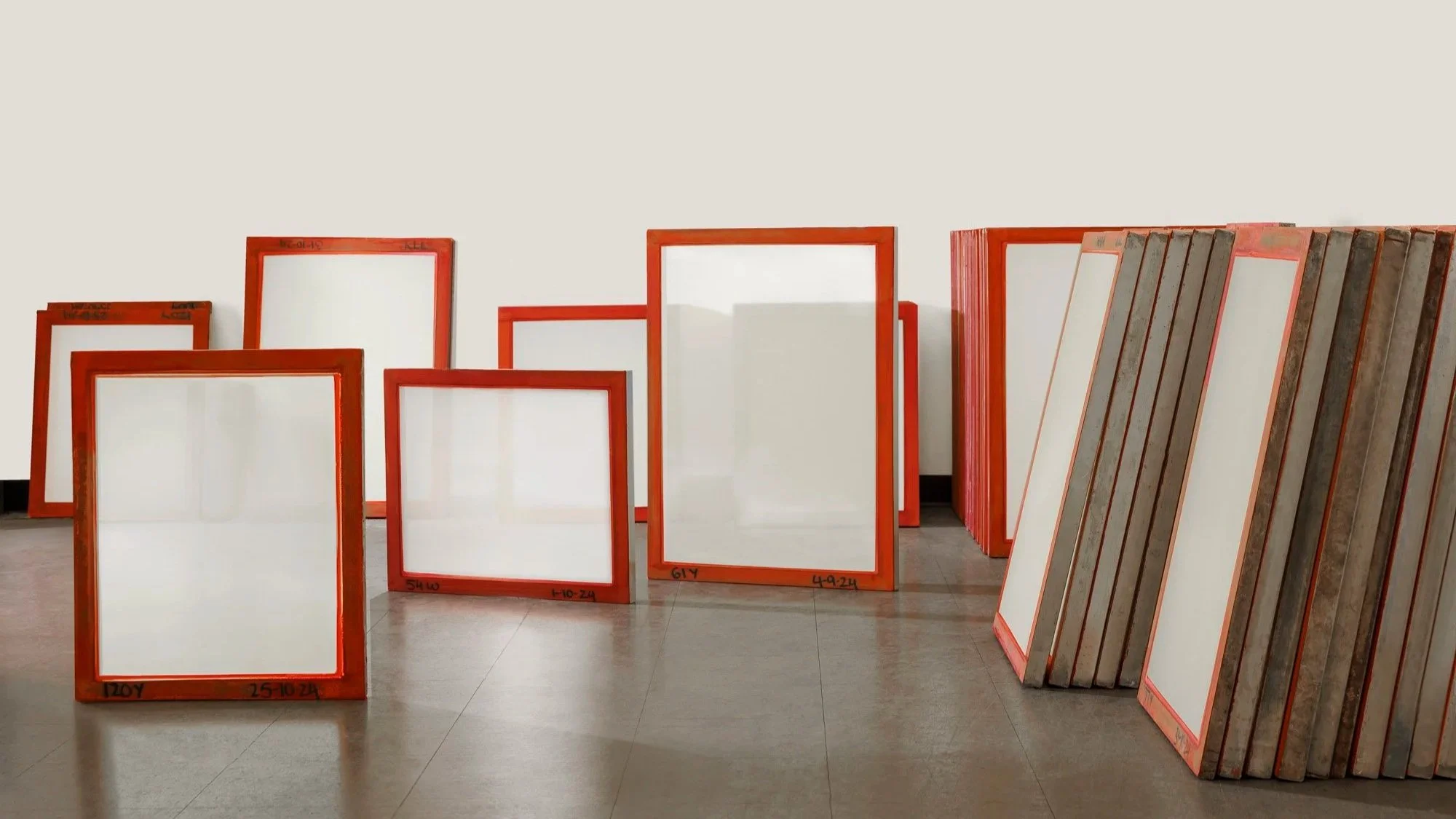
Consistent screen printing results begin with well-prepared screens and controlled processes across every stage of production.
Improving consistency starts with the right combination of materials, equipment, and process control.
At Kissel+Wolf, we supply screen printing inks and chemical systems designed to work together across modern production environments.
For a deeper understanding of how equipment supports consistency across each stage, you can also read our guide on how modern screen printing equipment strengthens every step of the screen room process.
Get the Right Screen Printing Workflow for Your Production
If you're reviewing your screen printing setup, it may be worth assessing how each stage — from ink preparation through to curing — is controlled and standardised across your workflow.
Contact us to discuss your screen printing workflow.