Why Small Screen Printing Variations Become Expensive Over Time

Small production variations often develop across repeated processes, where setup consistency, workflow coordination, and material handling directly affect long-term print stability.
Screen printing production depends heavily on consistency across repeated processes.
When workflows remain stable, small variations may appear manageable during day-to-day production.
However, over time, minor inconsistencies across setup, materials, cleaning, and process control can gradually develop into larger operational inefficiencies.
In many screen printing environments, production problems are rarely caused by major failures alone.
More often, they develop through repeated small variations that slowly affect:
print consistency
stencil durability
setup efficiency
workflow repeatability
As production demands increase, these inefficiencies become more noticeable across both output quality and operating costs.
Why Small Variations Become Larger Production Problems
Screen printing workflows rely on repeatable conditions across multiple stages of production.
Small inconsistencies in:
stencil preparation
ink handling
curing conditions
screen cleaning
can compound over time, particularly during continuous production.
While a single variation may appear minor, repeated inconsistencies across multiple jobs can gradually lead to:
increased setup adjustments
material waste
repeated screen preparation
inconsistent print quality
Over time, these interruptions reduce workflow efficiency and create unnecessary production delays.
How Screen Preparation Affects Long-Term Consistency
Screen preparation plays a critical role in maintaining stable production conditions.
Variations in:
coating consistency
exposure accuracy
stencil quality
reclaiming processes
can affect how reliably screens perform across repeated runs.
Inconsistent preparation often leads to:
premature stencil breakdown
loss of detail during printing
repeated setup corrections
reduced repeatability between jobs
Because of this, maintaining controlled screen preparation processes becomes increasingly important in higher-volume production environments.

Long-term screen printing consistency depends heavily on controlled screen preparation, exposure accuracy, and repeatable reclaiming processes.
Why Ink and Chemical Compatibility Matter
Screen printing consistency also depends on how effectively inks, emulsions, reclaiming products, and cleaning chemicals perform together across the workflow.
Small compatibility issues may not immediately create major production problems.
However, over time, incompatible systems can contribute to:
inconsistent ink performance
inefficient reclaiming
increased residue buildup
reduced stencil durability
Stable production environments typically prioritise chemical systems designed to perform consistently across multiple stages of the screen printing process.
For a deeper look at selecting suitable chemical systems, you can also read our guide on key factors to consider when selecting screen printing chemicals.
How Repeated Adjustments Reduce Production Efficiency
One of the most common operational issues in screen printing production is the accumulation of repeated manual adjustments.
This may include:
correcting print inconsistencies
adjusting registration alignment
reworking screens
compensating for unstable curing conditions
While individual adjustments may appear minor, repeated intervention gradually reduces workflow efficiency and increases production variability over time.
In many production environments, the cost of repeated corrections becomes more significant than isolated production issues themselves.
Why Workflow Stability Matters More Than Individual Fixes
Many screen printing inconsistencies are temporarily corrected during production.
However, repeated troubleshooting often masks larger workflow instability across the process.
Stable production environments focus on:
repeatable setup procedures
controlled material behaviour
consistent curing conditions
standardised workflow processes
Without stable workflows, production teams often spend more time managing variability than maintaining efficient output.
This is why reducing operational variability becomes increasingly important as production volume grows.
Similar inefficiencies can also develop when workflow visibility and coordination are reduced across production stages.
You can also read: The Cost of Workflow Gaps in Print Production
How Small Variations Affect Long-Term Production Costs
Over time, repeated inconsistencies can affect:
production speed
labour efficiency
material usage
equipment downtime
print repeatability
While these costs may develop gradually, they can significantly affect long-term production performance.
In many cases, improving efficiency is not simply about increasing production speed, but reducing unnecessary variability across the workflow.

Long-term production efficiency depends on maintaining stable workflows, repeatable setup conditions, and reduced variability across the entire screen printing environment.
Building More Stable Screen Printing Workflows
Improving screen printing consistency often involves reducing process variability across production stages.
This may include:
standardising screen preparation procedures
maintaining stable curing conditions
improving chemical compatibility
reducing repeated manual adjustments
As production environments become more demanding, workflow consistency becomes increasingly important for maintaining reliable output quality and operational efficiency.
Conclusion
Small screen printing variations rarely remain isolated issues over time.
What appears manageable during individual production runs can gradually create larger inefficiencies across workflow stability, print consistency, and operating costs.
Even in well-equipped production environments, maintaining stable output depends on how effectively setup procedures, material systems, curing conditions, and workflow processes are controlled together.
By reducing variability across the production workflow, businesses can improve repeatability while maintaining more efficient long-term production performance.
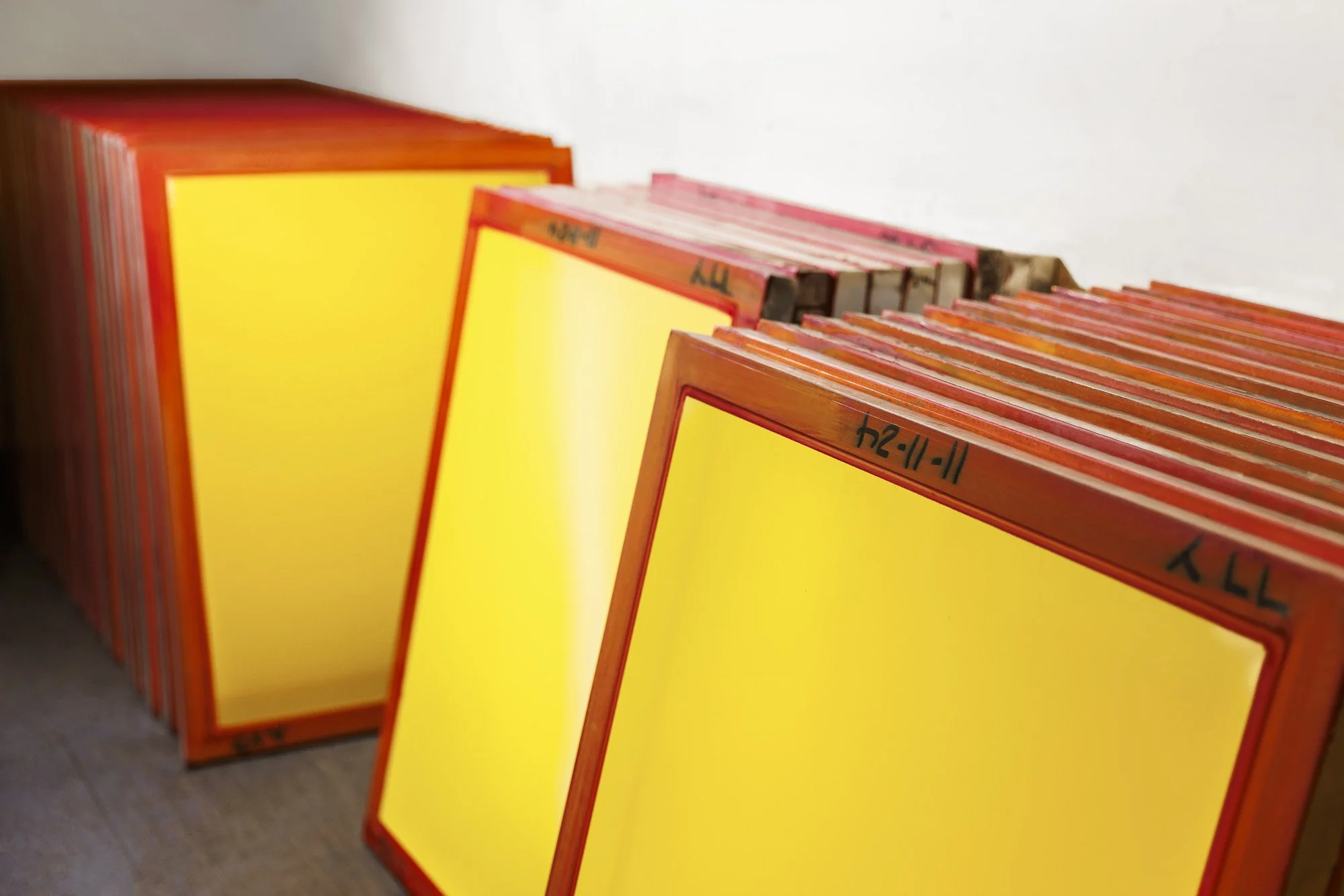
Consistent long-term screen printing performance depends on repeatable preparation processes, controlled workflows, and stable production conditions across every stage.
At Kissel+Wolf, we support screen printing production environments with solutions designed to improve workflow consistency, process control, and production efficiency.
For a deeper look at how chemical systems support stable screen printing workflows, you can also read our guide on essential screen printing chemicals and their role in production consistency.
You can also explore our article on common screen printing problems and how to prevent them for additional insights into maintaining reliable production conditions.
Get the Right Screen Printing Workflow for Your Production
If you're reviewing your screen printing setup, it may be worth assessing how each stage — from ink preparation through to curing — is controlled and standardised across your workflow.
Contact us to discuss your screen printing workflow.