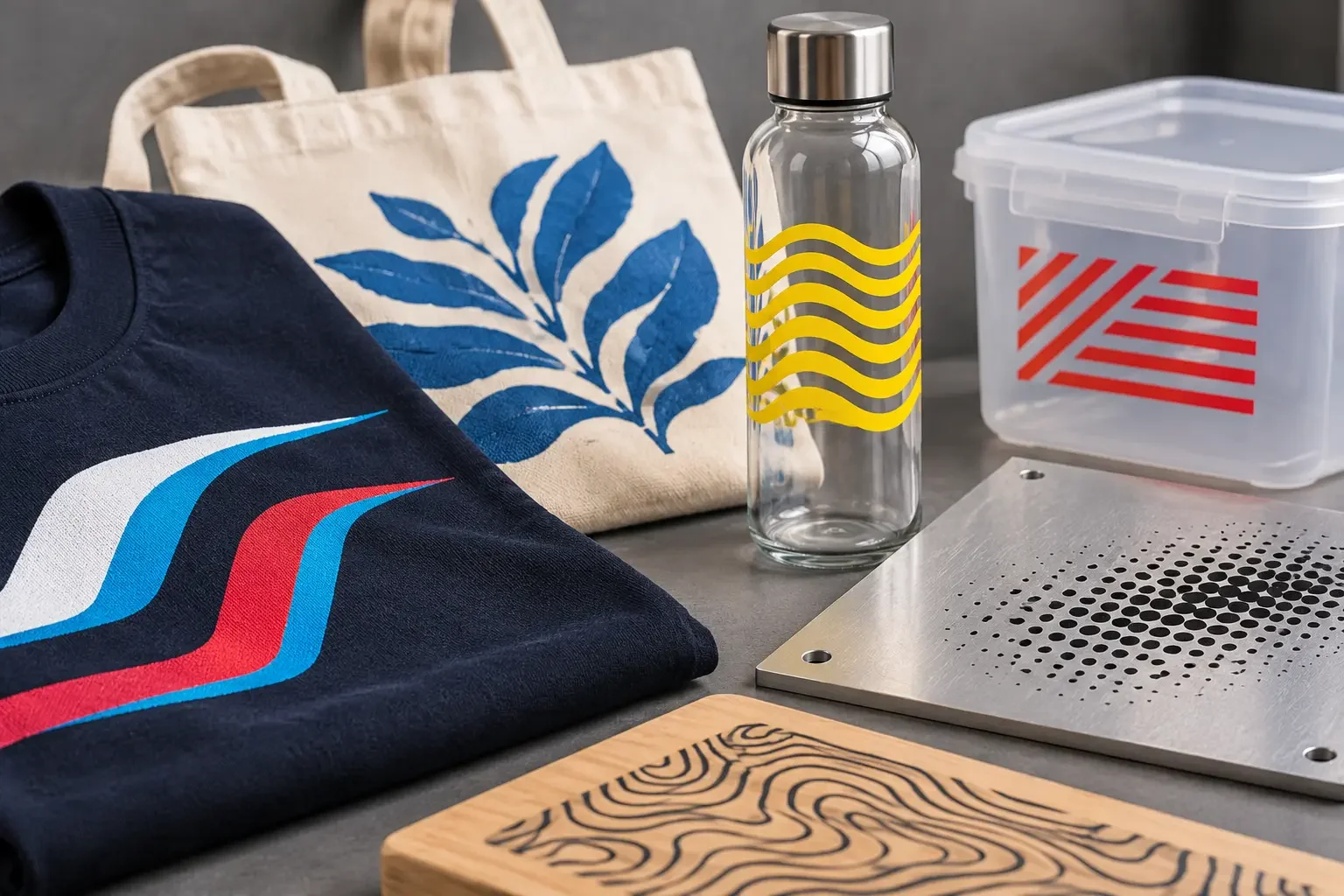
A print that looks perfect on the day can crack, scratch off or fade within weeks if the ink doesn't suit the surface. Screen printing works on almost anything flat or gently curved, but every substrate needs its own ink, cured its own way.
Here's the right ink for each surface, and how to check it before you commit to a production run.
How do you choose the right screen printing ink?
Four questions narrow it down for almost any job:
What's the surface? Fabric, paper, plastic, glass, metal and wood each need different chemistry to bond. Even PVC and polypropylene behave completely differently.
How will it be used? A poster on a wall needs far less than an outdoor sign, a dishwasher-safe glass or a control panel pressed thousands of times.
How will you cure it? Air, heat, UV or a mixed-in hardener. The right ink is the one your equipment can actually cure.
Are there rules to meet? Children's products, food packaging and some workwear have their own requirements.
Screen printing inks by surface: a quick reference
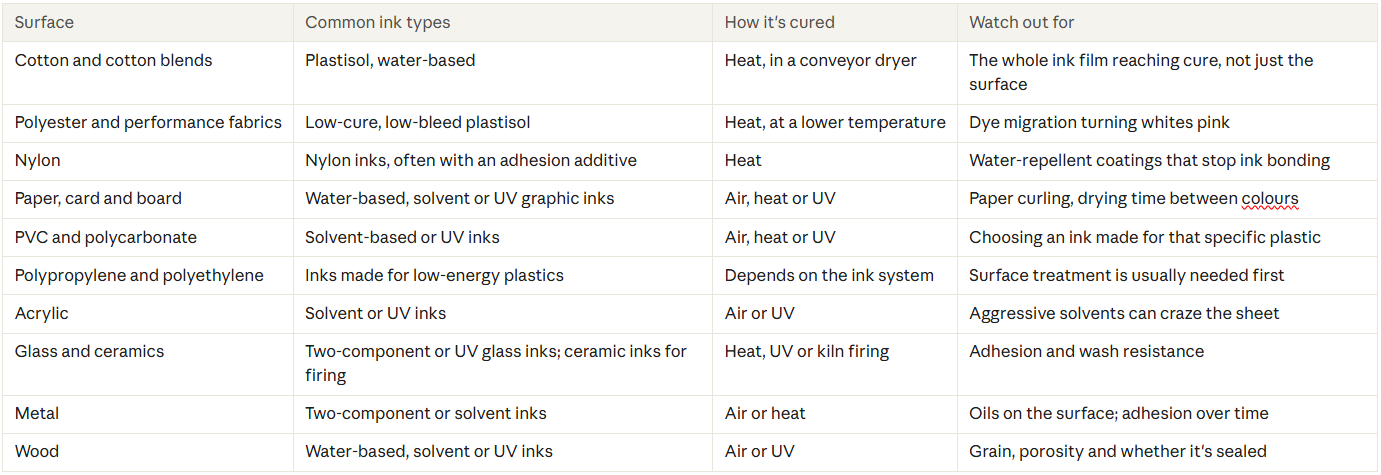
Use this as a starting point. The right ink for a job also depends on the finish, the end use and the equipment you have, which the sections below cover.
Fabric
Cotton: plastisol gives bright, opaque colour on dark garments; water-based soaks in for a softer feel. Both need the whole ink film cured, not just the surface. Our guide to choosing the correct screen printing ink compares them.
Polyester: heat pulls the garment's dye into the ink, so whites turn pink. Low-cure, low-bleed whites cure cooler and hold the dye back.
Nylon: water-repellent coatings stop ordinary ink bonding. Use a nylon ink with an adhesion additive, and test a wash first.
The kit: Wilflex textile inks, including standard, low-cure and specialty plastisols. For cure temperatures by product, see Avient's Wilflex product selection guide.
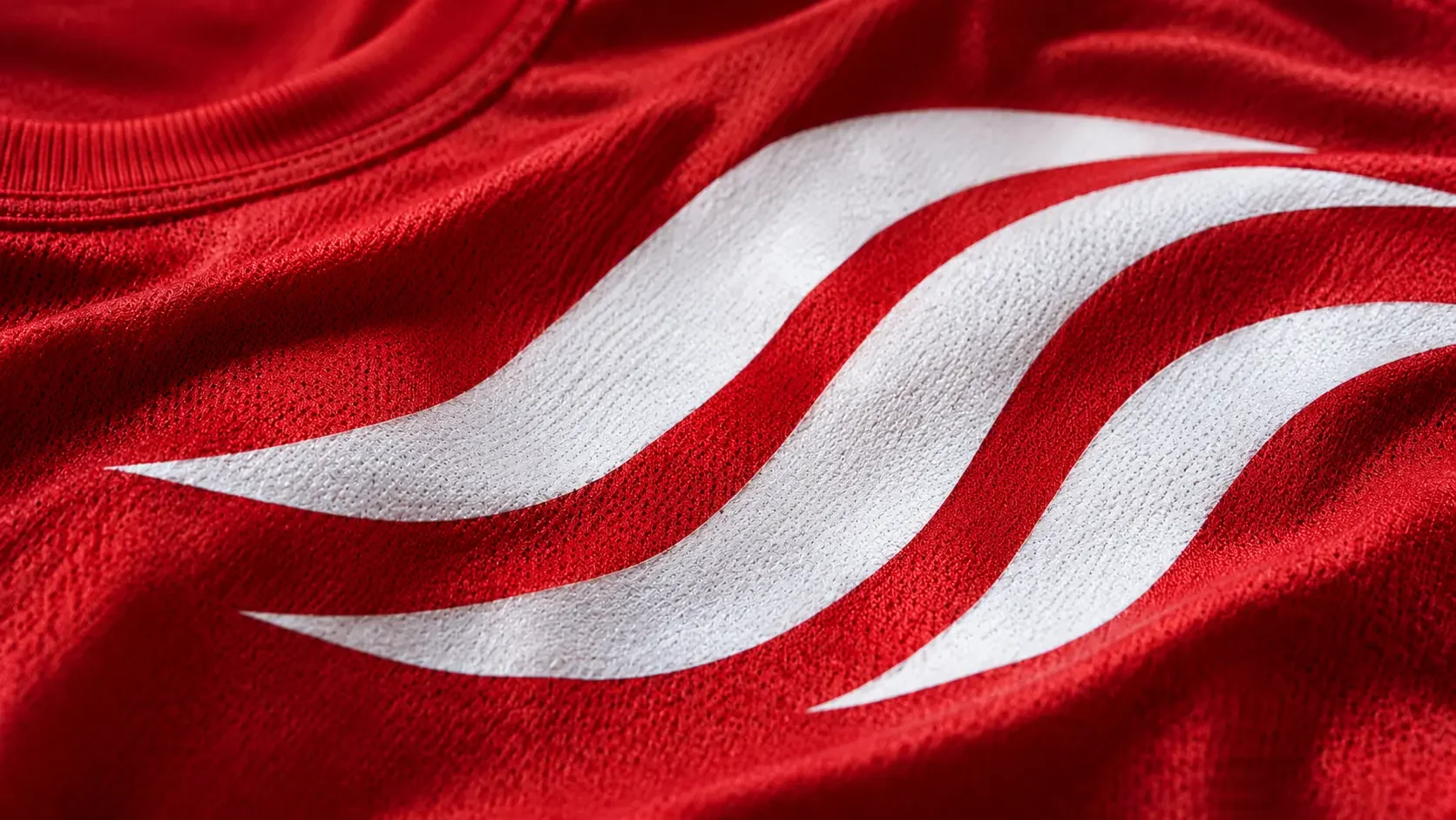
White that stays white
On red polyester, heat can pull the garment’s dye into the ink. A low-cure, low-bleed white cures cooler and keeps the white bright.
Paper, card and board
Water-based inks suit uncoated stock; solvent inks bond to coated board; UV inks cure instantly and keep stacks moving. Watch for curling on thin paper, and tape-test coated or laminated board before the run.
The kit: Marabu UV screen inks and Marabu solvent screen inks.
Plastic
Plastic is where ink choice matters most, because "plastic" covers materials that behave completely differently.
PVC, polycarbonate and polystyrene accept ink well. On membrane switches and control panels, check abrasion resistance as well as adhesion.
Polypropylene and polyethylene are low-energy plastics, so ink beads and peels. They usually need corona, flame or plasma treatment first, plus an ink made for them.
Acrylic prints well, but aggressive solvents can cause fine cracks called crazing. Test on an offcut first.
The kit: Marabu solvent screen inks for rigid and flexible plastics, or UV screen inks for instant cure.
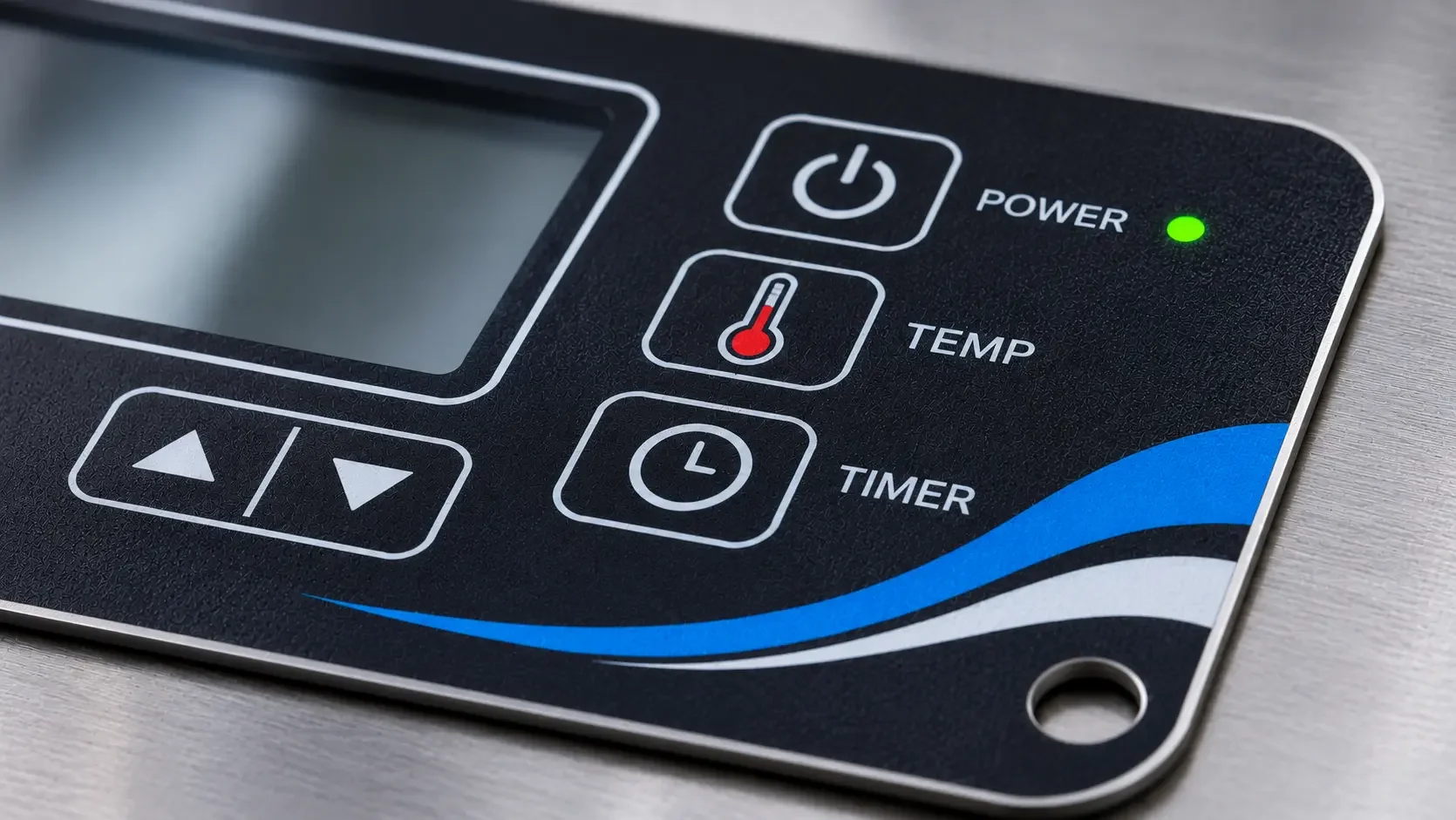
Printed to be pressed
Control panels and membrane switches are touched thousands of times. On polycarbonate, check abrasion resistance as well as adhesion before the run.
Glass
Glass gives ink nothing to grip unless the chemistry creates the bond. Three routes:
Two-component glass inks, mixed with a hardener, give strong adhesion and chemical resistance for bottles and glassware.
UV glass inks, usually with an adhesion promoter, suit decorative glass and short runs.
Ceramic enamels are fired in a kiln for the most permanent result.
Clean the glass first: fingerprints and silicone are the usual reasons glass prints fail. For dishwasher-safe pieces, test several full wash cycles.
Metal
Two-component inks give the toughest result on aluminium, stainless steel and painted metal. Degrease thoroughly, because even a thin film of oil stops the bond, and test scratch resistance only after the full cure time.
The kit for glass and metal: Marabu glass and metal decoration systems.
Wood
Raw wood absorbs ink: water-based inks give a natural, faded look, while solvent and UV inks sit on top for sharper colour. Sand the print area smooth, and add a clear protective coat for anything handled often or used outdoors.
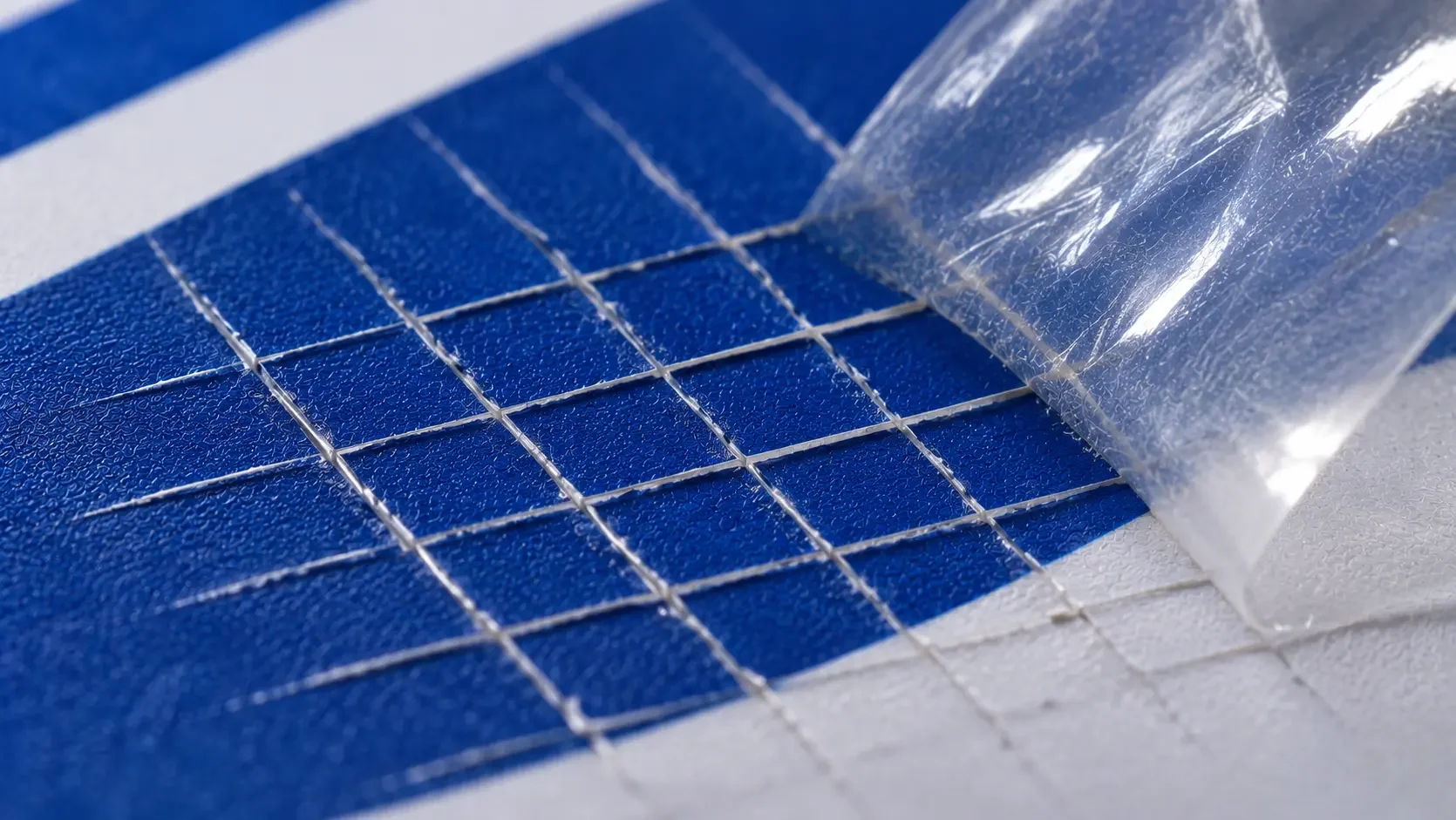
Test before you run the job
Print samples on the actual stock, cure them exactly as you will in production, then check:
Adhesion: score a cross-hatch through the print, press tape over it and pull it off sharply. Ink on the tape means the bond isn't there.
Scratch and rub: run a coin across the print, and rub it with the cleaners it will meet in use.
Washing: put garments and glassware through the real wash cycle, more than once.
Time: dye migration and full hardness on two-component inks only show after a day or more.
Match the screen to the ink
Solvent and UV inks need a solvent-resistant emulsion; water-based inks need a water-resistant or dual-cure one. Heavy textile whites print through coarser mesh, fine detail and UV inks through finer mesh. And clean up with a screen wash made for the ink system.
Not sure which ink suits your surface?
Kissel+Wolf supplies screen printing inks for textiles, graphics and industrial work, along with the mesh, emulsions and screen chemistry to print them properly. Our technical team works with new materials every week and can help you choose an ink, set up your screens and plan your tests.
Tell us what you're printing on and how the finished product will be used, and we'll recommend the right ink system for the job.
Frequently Asked Questions
Can one screen printing ink work on everything?
No. Multi-surface inks cover a few related materials, but no single ink bonds to fabric, polypropylene, glass and metal equally.
Can I screen print on curved surfaces like bottles and cups?
Yes, with cylindrical equipment that rotates the item under the screen. The ink choice follows the same rules as flat glass or plastic.