DTF Ink, Film and Powder: How They Work Together in Textile Production
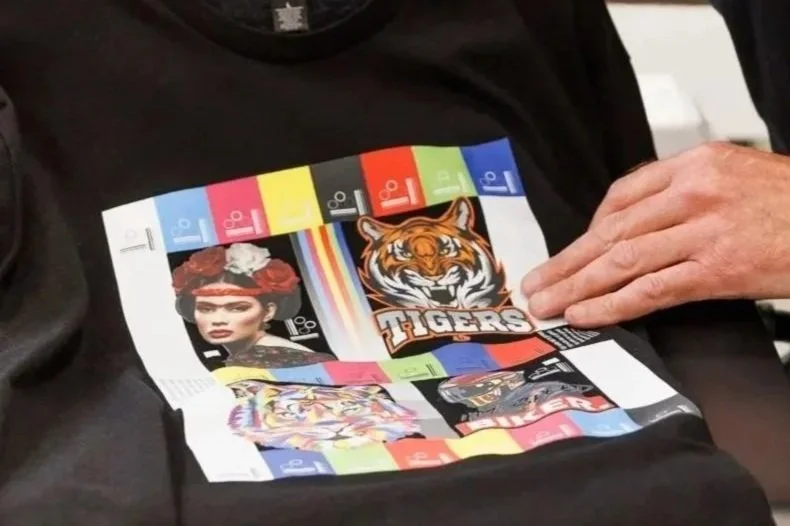
Completed DTF transfer applied to garment, demonstrating how ink, film, and adhesive powder work together to produce sharp detail, strong adhesion, and consistent colour output.
DTF printing has quickly become a flexible option in modern textile production.
It allows for consistent results across cotton, polyester, and blended fabrics, while supporting detailed designs and efficient workflows.
But reliable output doesn’t come from a single material.
It comes from how ink, film, and powder perform together throughout the process.
When these components are aligned, production remains stable.
When they are not, issues tend to appear during transfer or after washing.
What is DTF printing and how does it work?
DTF printing is a textile printing process where designs are printed onto a film using specialised ink, coated with adhesive powder, cured, and then transferred onto fabric using heat. The process relies on ink, film, and powder working together to produce durable and consistent results.
Understanding the DTF Process
DTF printing involves several connected stages — printing, powder application, curing, and heat transfer.
Each stage depends on how materials interact with one another.
Ink must sit correctly on the film.
Powder must bond evenly to the ink.
The film must release cleanly during transfer.
Because of this, DTF is best approached as a system rather than a set of separate materials.
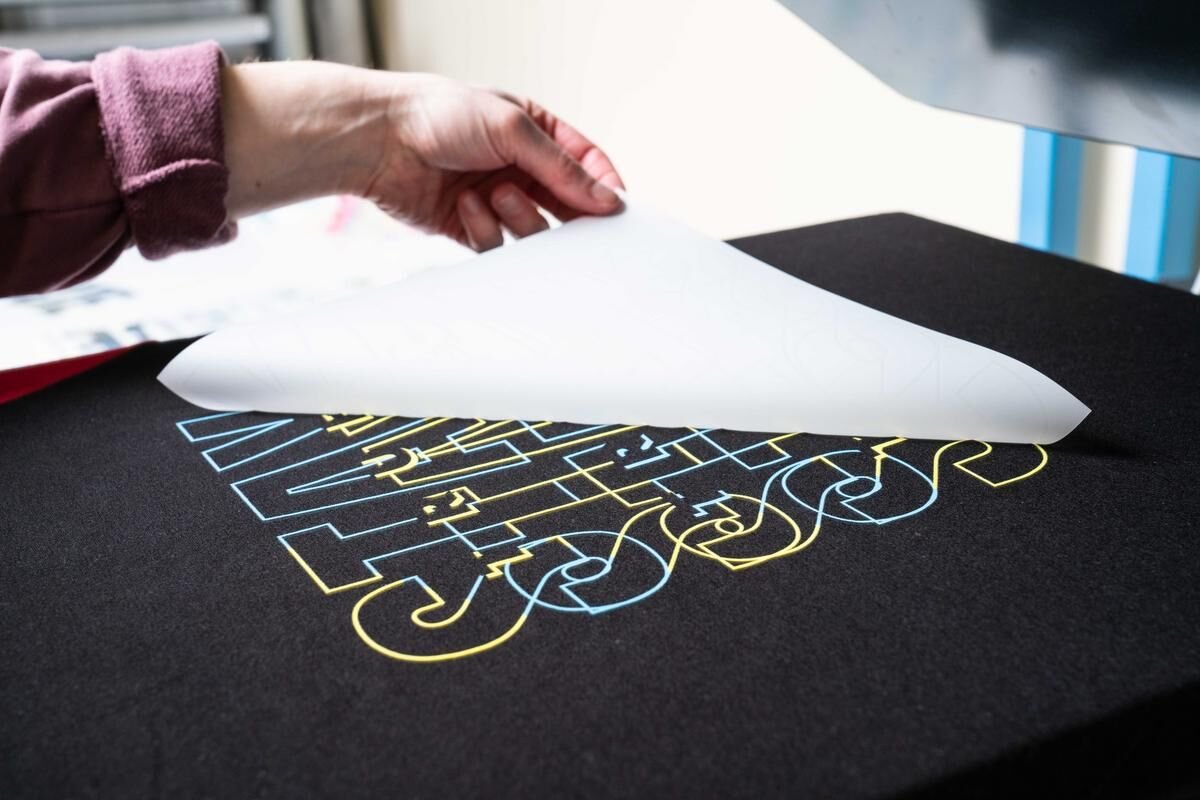
It controls colour strength, opacity, and how well the design holds after transfer.
A stable ink system should:
produce consistent colour output
accept adhesive powder evenly
remain flexible after curing
When ink performance is inconsistent, it often results in fading, cracking, or poor adhesion.
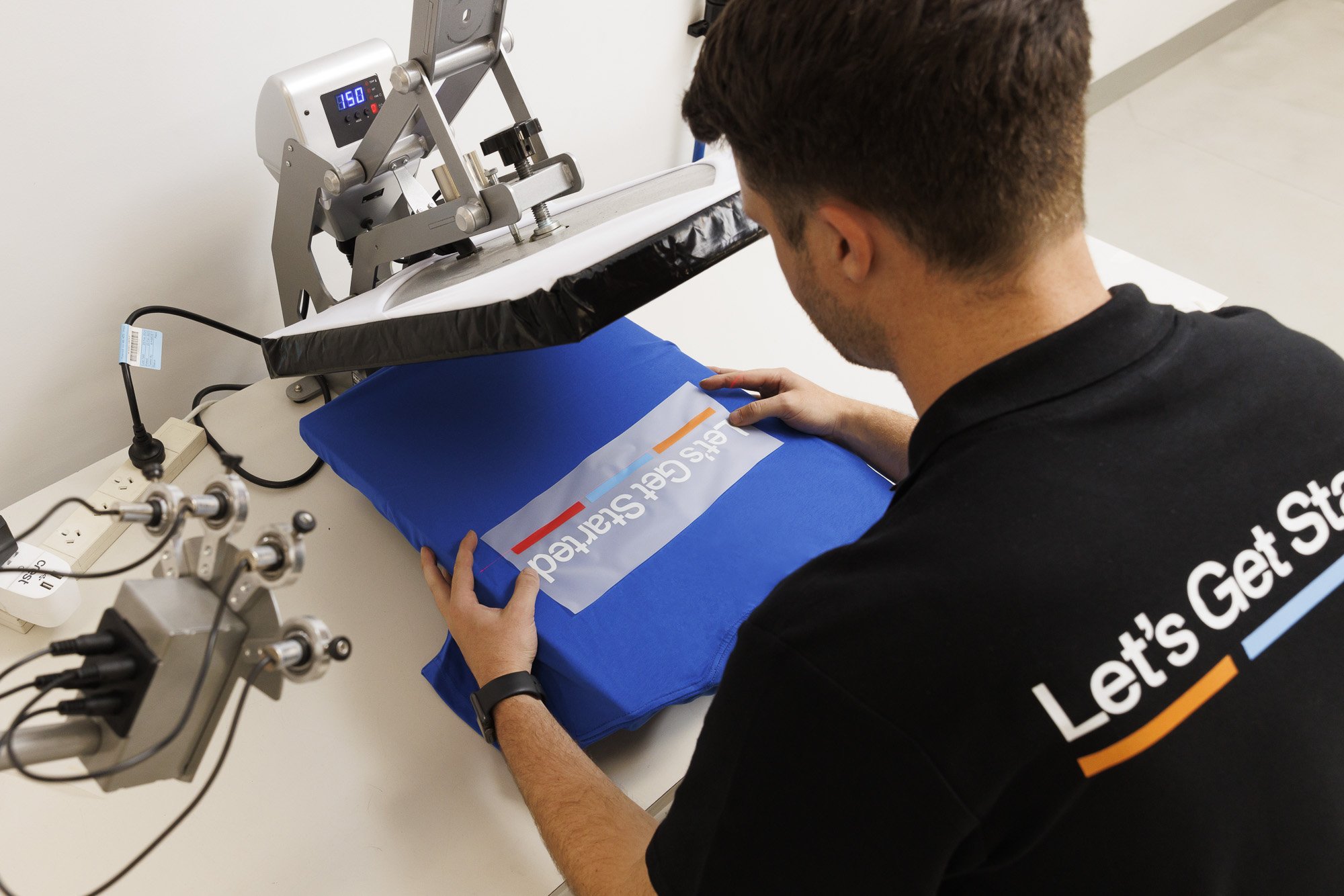
It plays a key role in maintaining detail and controlling how the design is released.
Film selection can also influence workflow.
Hot peel and cold peel films affect how quickly prints can be processed and how the finished surface appears.
Inconsistent film quality can lead to smudging, incomplete transfers, or loss of detail.
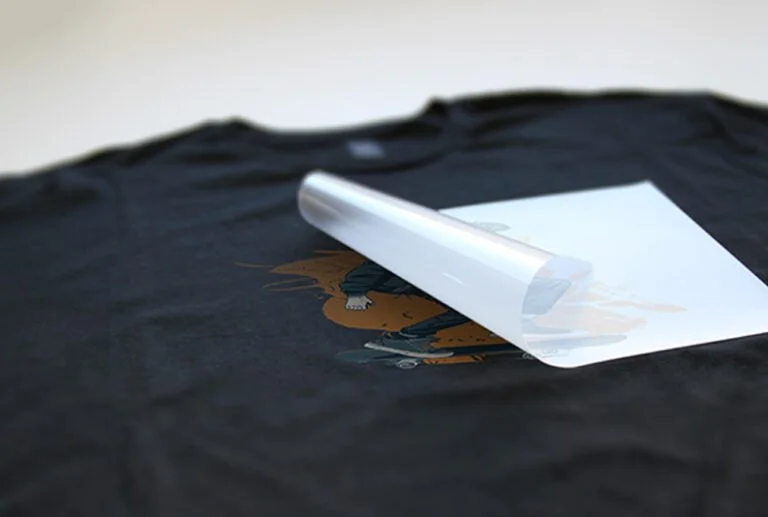
It is applied to the printed film and then cured to create a layer that adheres during heat transfer.
Consistent powder performance supports:
strong adhesion
wash durability
smooth surface finish
Uneven application or poor-quality powder can lead to peeling, rough texture, or inconsistent bonding.
Why DTF Must Be Treated as a System
DTF printing is not driven by a single product.
It depends on how materials perform together across the workflow.
Ink, film, and powder must remain compatible at each stage:
during printing
during powder application
during curing
during transfer
When the system is aligned, production becomes more predictable and repeatable.
When it is not, small inconsistencies tend to compound across multiple jobs.
Where Inconsistencies Typically Occur
In many cases, production issues are not caused by one material alone, but by how materials are combined.
Common challenges include:
mismatched ink and film combinations
uneven powder distribution
inconsistent curing temperature or timing
These issues can lead to rework, wasted materials, and reduced efficiency.
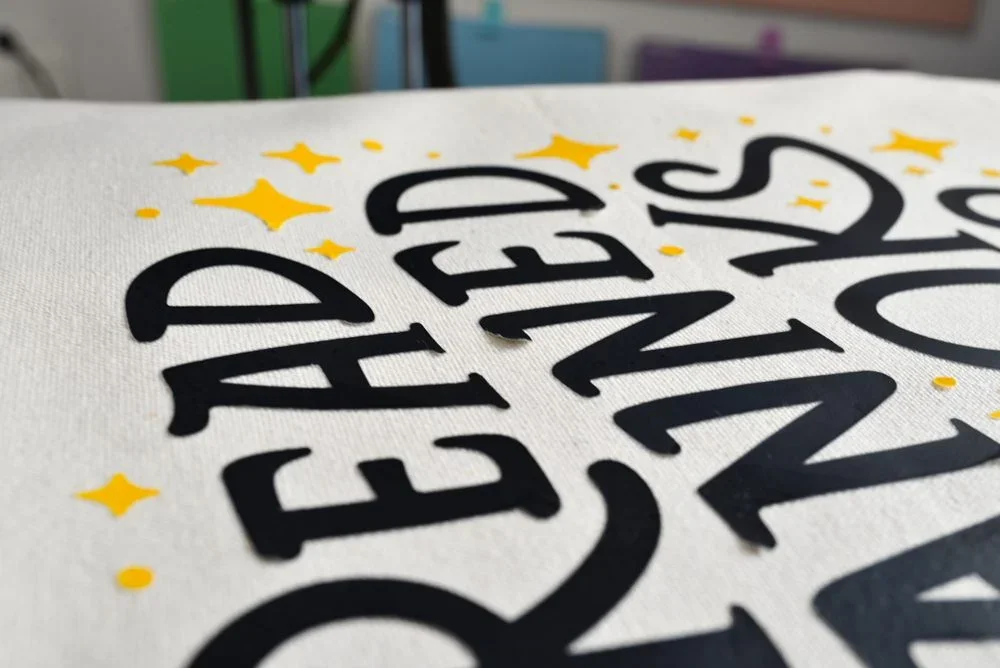
DTF print showing surface detail and finish, highlighting how inconsistencies in ink, film, or powder can affect final output quality.
Improving Workflow Stability in DTF Production
Achieving consistent results often comes down to controlling the process rather than adjusting individual components.
This includes:
using compatible ink, film, and powder systems
maintaining stable curing conditions
applying powder evenly across each print
testing materials before full production runs
A structured approach helps reduce variability and improves overall output.
Supporting a Consistent DTF Workflow
DTF performance depends on how well each stage of the process is managed.
When the right combination of materials is used consistently, production becomes easier to control and results become more reliable.
This allows print businesses to:
reduce print failures and rework
improve adhesion and durability
maintain consistent colour output
operate more efficiently across jobs
At Kissel+Wolf, we supply DTF ink systems, films, and adhesive powders designed to work together across modern textile production environments.
Get the Right DTF Workflow for Your Production
DTF results depend on how well ink, film, and powder work together.
When materials are matched and processes are controlled, production becomes more consistent and reliable.
If you're reviewing your setup, our team can help you identify the right combination for your workflow.
Contact us to discuss your DTF workflow